The House Edge in Roulette – What Does It Mean for Your Experience as a Player?

The House Edge in Roulette – What Does It Mean for Your Experience as a Player?
Roulette is one of the most iconic casino games in the world. The simple idea – predicting where the ball will land on the spinning wheel – has fascinated players for centuries. But behind the elegant design lies a mathematical truth that always works in the casino’s favor: the house edge. To truly understand how roulette works and how to make the most of your experience, it’s important to know what this concept means in practice.
What Is the House Edge?
The house edge is the built-in statistical advantage that ensures the casino makes a profit over time. It’s expressed as a percentage that represents how much of each bet the casino expects to keep in the long run. While luck determines short-term results, the house edge guarantees that the odds are slightly tilted toward the house.
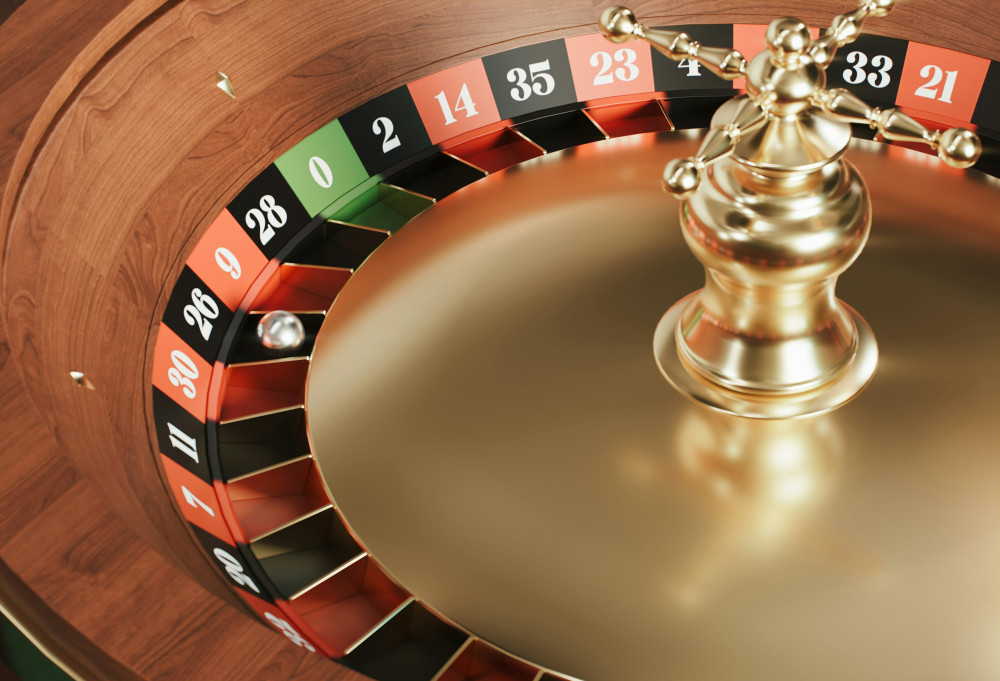
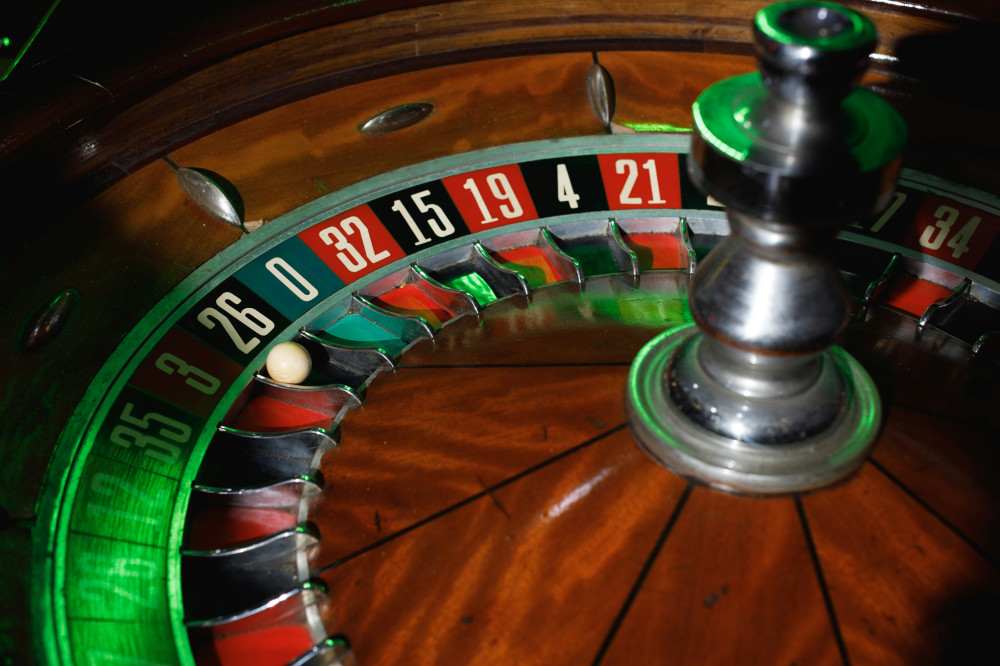
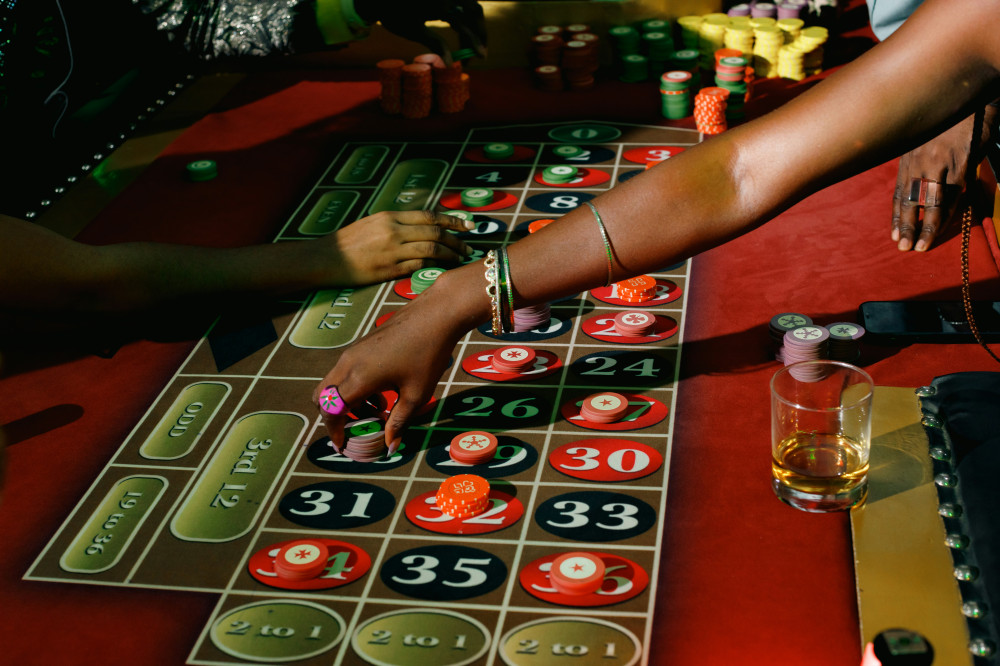
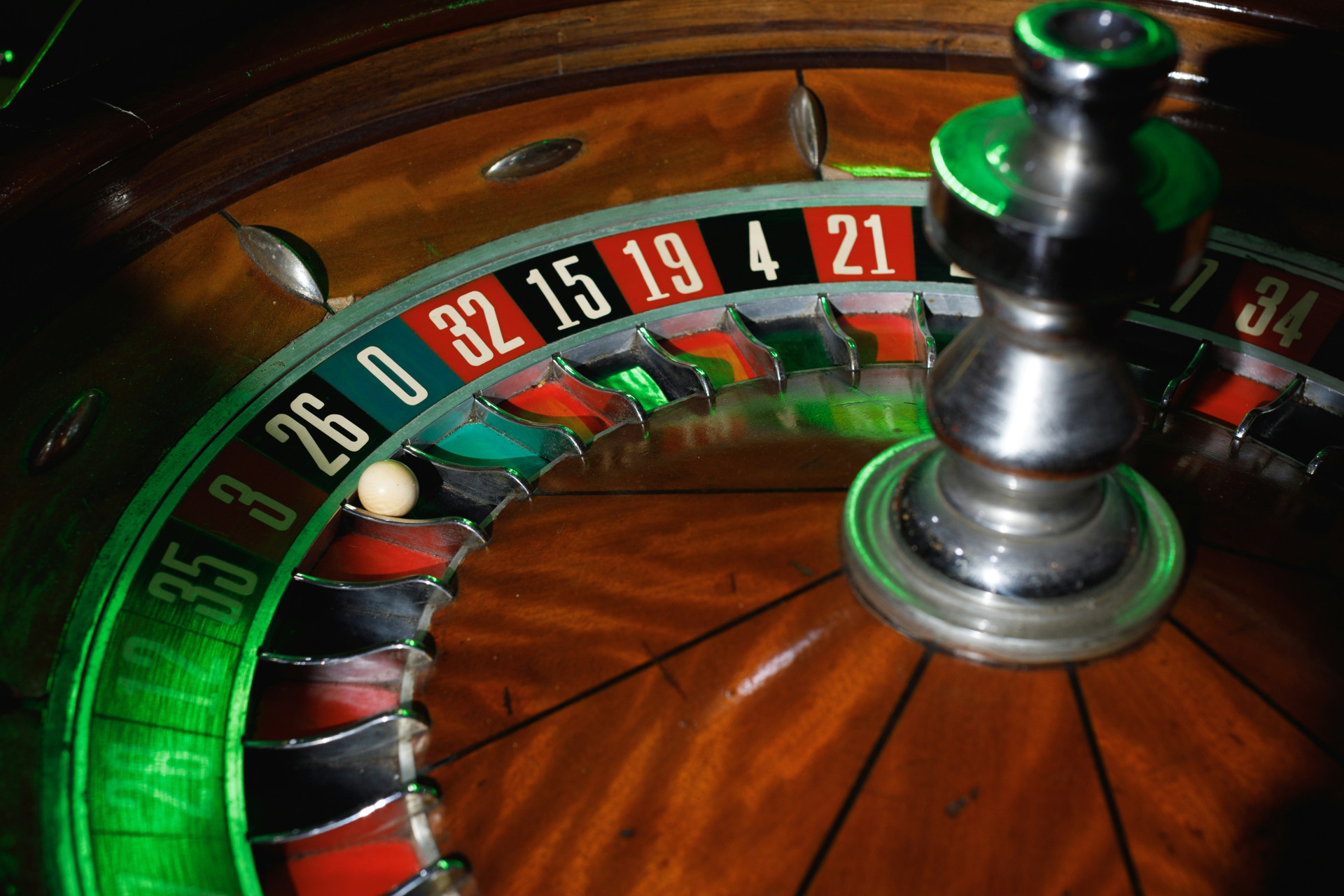
In roulette, the house edge exists because of the green zero pockets on the wheel. These pockets mean that even-money bets—like red or black, odd or even—are never truly 50/50. When the ball lands on zero (or double zero), the house wins.
American vs. European Roulette
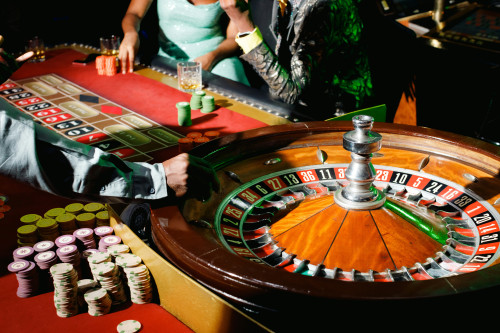
There are two main versions of roulette: American and European. The difference lies in the number of green pockets.
- European roulette has one green pocket (0), for a total of 37 pockets. The house edge is about 2.7%.
- American roulette has two green pockets (0 and 00), for a total of 38 pockets. This increases the house edge to about 5.26%.
For players, this means that European roulette offers better odds. However, in the United States, American roulette is more common in land-based casinos, while European roulette is often found online or in select high-end venues.
Læs også:
How Does the House Edge Affect Your Experience?
In the short term, roulette feels completely random—and it is. You might win big on a single spin or lose several bets in a row. But over time, the house edge ensures that the casino comes out ahead. The longer you play, the more likely your results will reflect the built-in advantage.
That doesn’t mean roulette can’t be fun. Many players enjoy it for the excitement, the atmosphere, and the thrill of watching the ball bounce around the wheel. Understanding the house edge simply helps you set realistic expectations and enjoy the game for what it is—entertainment, not a guaranteed way to make money.
Can You Reduce the House Edge?
You can’t eliminate the house edge, but you can make choices that give you the best possible odds.
- Choose European roulette when available. The single zero makes a noticeable difference over time.
- Avoid side bets or special wagers that often carry a higher house edge.
- Set a budget before you play and stick to it. This keeps the experience enjoyable and prevents chasing losses.
- Look for “en prison” or “la partage” rules in European roulette. These options return part of your bet if the ball lands on zero, reducing the house edge even further.
These strategies won’t change the fundamental math of the game, but they can help you get more playtime and a more balanced experience.
Roulette as Entertainment, Not Investment
Roulette is, at its core, a game of chance. It’s designed to be exciting and social, not a source of long-term profit. When you approach it with that mindset, you can enjoy the suspense, the sound of the wheel, and the anticipation of each spin—without letting the outcome define your experience.
Understanding the house edge isn’t about avoiding the game; it’s about playing smart. With knowledge and perspective, you can make informed choices, manage your expectations, and get the most enjoyment out of every spin.
Læs også: