Roulette in Asia: When Tradition Meets Modern Gaming Culture

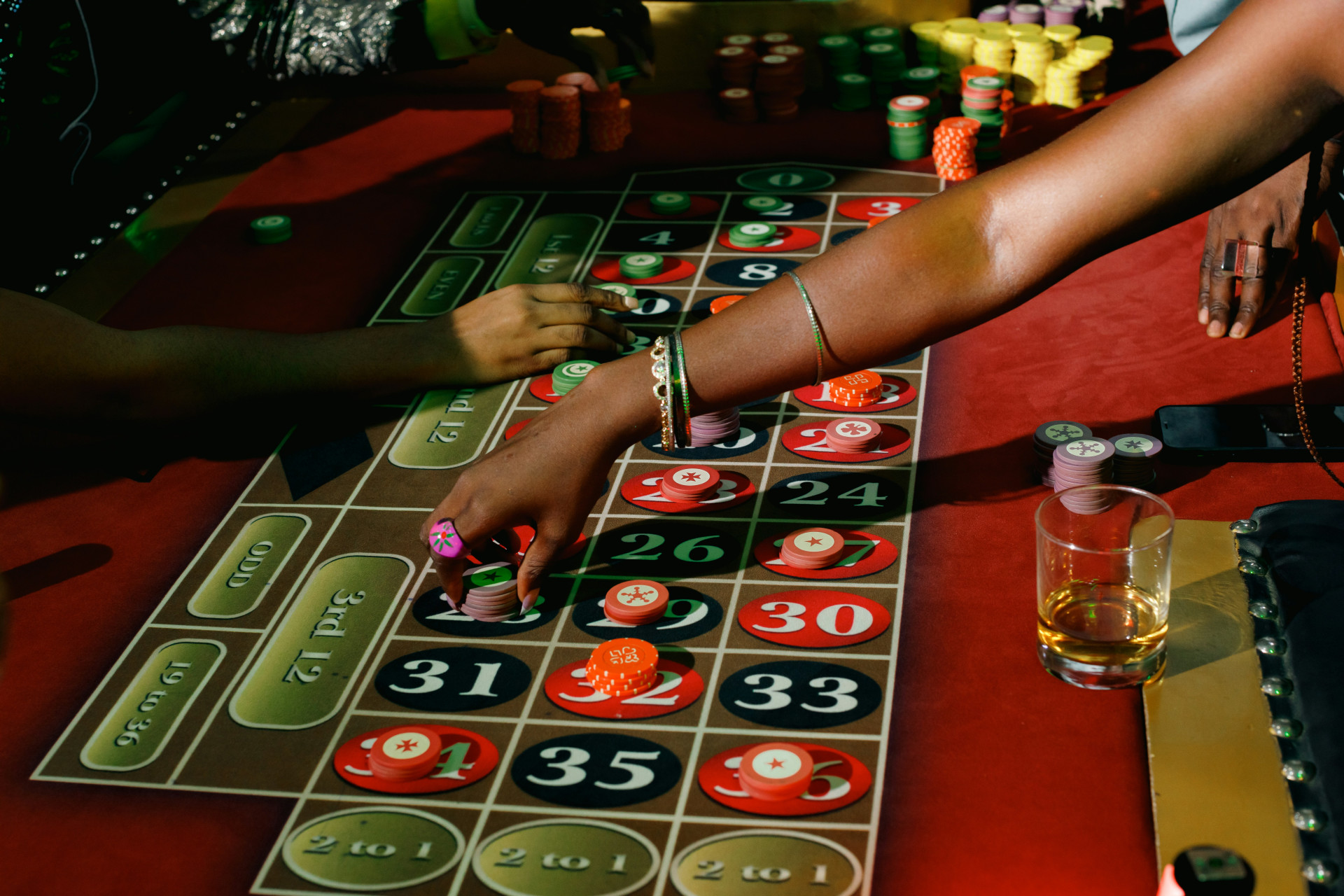
Roulette in Asia: When Tradition Meets Modern Gaming Culture
For centuries, roulette has symbolized elegance, chance, and excitement. Yet in Asia, the game has taken on a distinctive cultural meaning—one that bridges ancient traditions and a rapidly evolving digital gaming scene. From the glittering casinos of Macau to the sleek mobile apps of Singapore and Manila, roulette has become a reflection of how Asia blends heritage with innovation.
From a Western Classic to an Asian Obsession
Originally a European invention, roulette didn’t make its way to Asia until the 20th century. At first, it was a novelty in colonial-era clubs and luxury hotels. Today, it’s a staple of the region’s gaming culture.
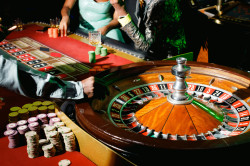
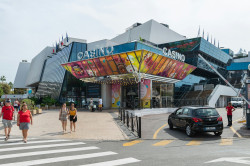
In Macau—often called the “Las Vegas of the East”—roulette tables stand alongside baccarat and sic bo, attracting both local players and international tourists. Many see it as a game that combines luck, strategy, and social interaction. In countries like Japan and South Korea, where gambling laws are more restrictive, online roulette has become a discreet yet popular alternative, powered by cutting-edge technology and mobile accessibility.
The Role of Tradition and Symbolism
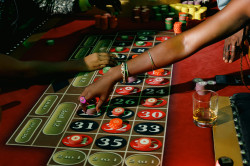
Although roulette has Western roots, Asian players have infused it with their own cultural beliefs and rituals. Numbers carry deep symbolic meaning: the number 8 is considered lucky in Chinese culture, while 4 is often avoided because it sounds like the word for “death.” As a result, many players choose their bets based on symbolism rather than probability.
Superstitions and rituals also play a major role. Some players tap the table for good luck, while others wear red clothing or carry charms believed to attract fortune. These customs transform roulette from a simple game of chance into a cultural experience—one that intertwines belief, tradition, and excitement.
The Digital Revolution
As Asia continues to lead in technological innovation, roulette has seamlessly transitioned from physical casinos to digital platforms. Live dealer casinos—where real croupiers are streamed via high-definition video—allow players to enjoy the authentic casino atmosphere from home.
In countries like the Philippines and Malaysia, this hybrid form of gaming has become especially popular. These platforms often feature local dealers, regional languages, and cultural references, creating an experience that feels both global and distinctly Asian. The result is a fusion of modern technology and traditional hospitality.
Læs også:
Roulette as a Social Experience
In many Asian cultures, gaming is as much about community as it is about winning. Roulette tables often serve as social hubs where friends and family gather to share the thrill of the spin. Online, chat features and virtual communities help preserve that sense of connection, even when players are miles apart.
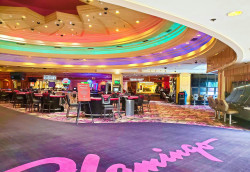
Casinos across Asia have also embraced design and entertainment elements that reflect local aesthetics—incorporating Asian art, music, and cuisine to create an atmosphere that feels unique compared to Western venues. The experience is not just about gambling; it’s about immersion in a cultural environment.
Balancing Past and Future
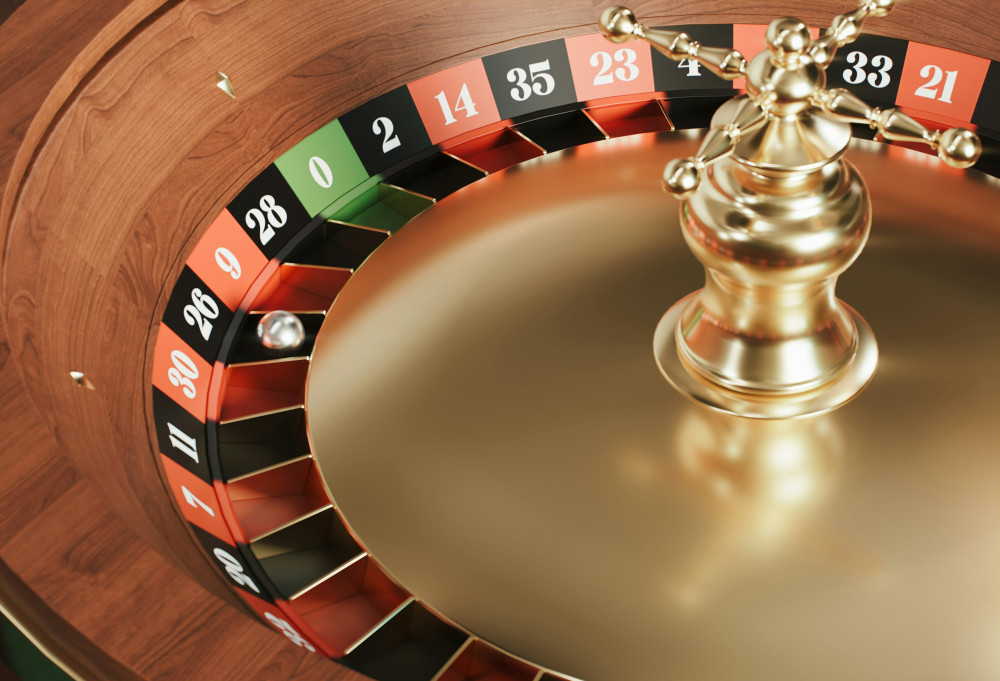
Roulette in Asia is more than a game—it’s a cultural phenomenon that mirrors the region’s ability to harmonize tradition and modernity. While Western players may view roulette as a solitary contest of luck, many Asian players see it as part of a broader rhythm of life, where fate, symbolism, and community intersect.
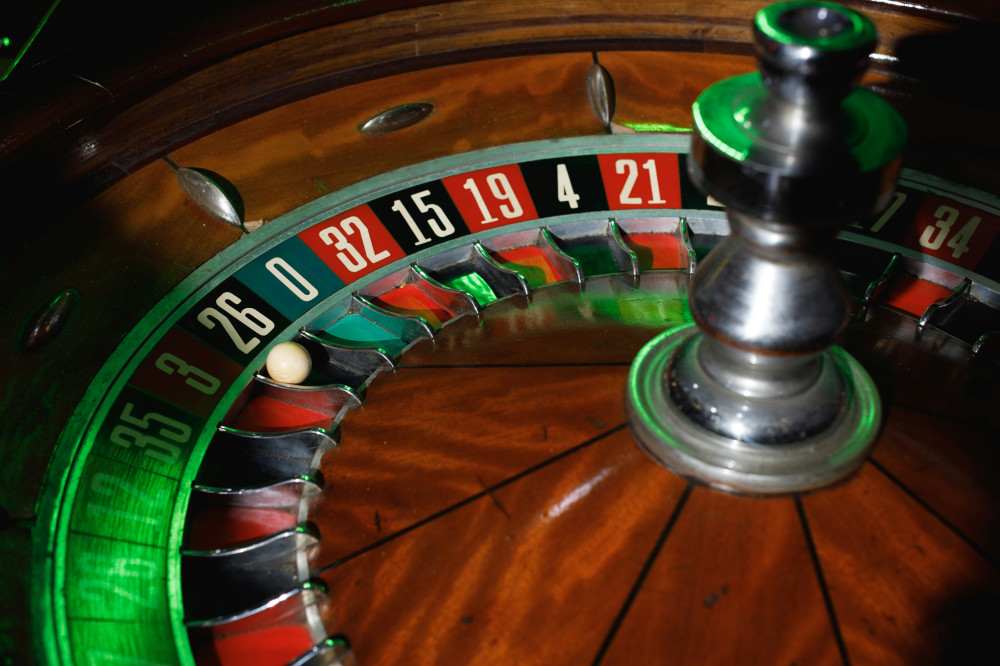
As technology continues to evolve, roulette in Asia will likely take on new forms—from virtual reality experiences to social gaming platforms. Yet one thing will remain constant: the timeless allure of the spinning wheel and the tiny ball that decides its fate—a moment where tradition meets the future.
Læs også: