From Roulette to Everyday Life: How to Use an Understanding of Odds in Your Decisions
From Roulette to Everyday Life: How to Use an Understanding of Odds in Your Decisions
When we hear the word odds, most of us think of casinos, sports betting, or pure luck. But odds are really about probabilities — and understanding them can be a powerful tool in everyday life. From choosing insurance plans to evaluating financial risks or health decisions, a basic grasp of odds can help you make more rational, informed choices. Let’s look at how the mindset from the roulette table can help you navigate daily life more wisely.
What Do Odds Really Mean?
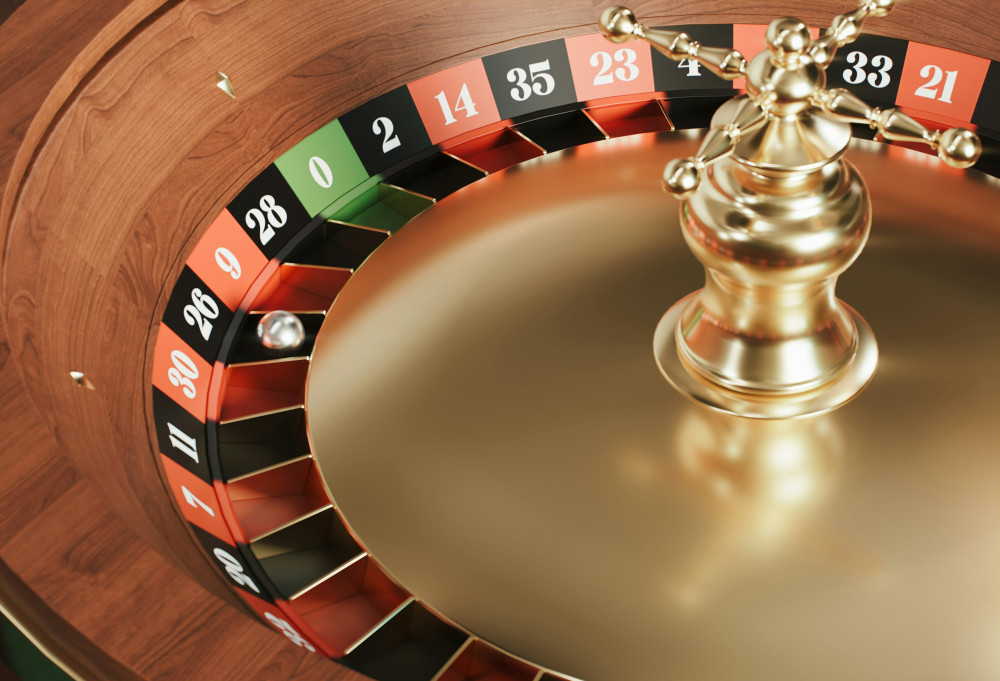
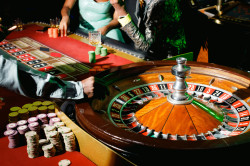
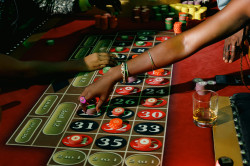
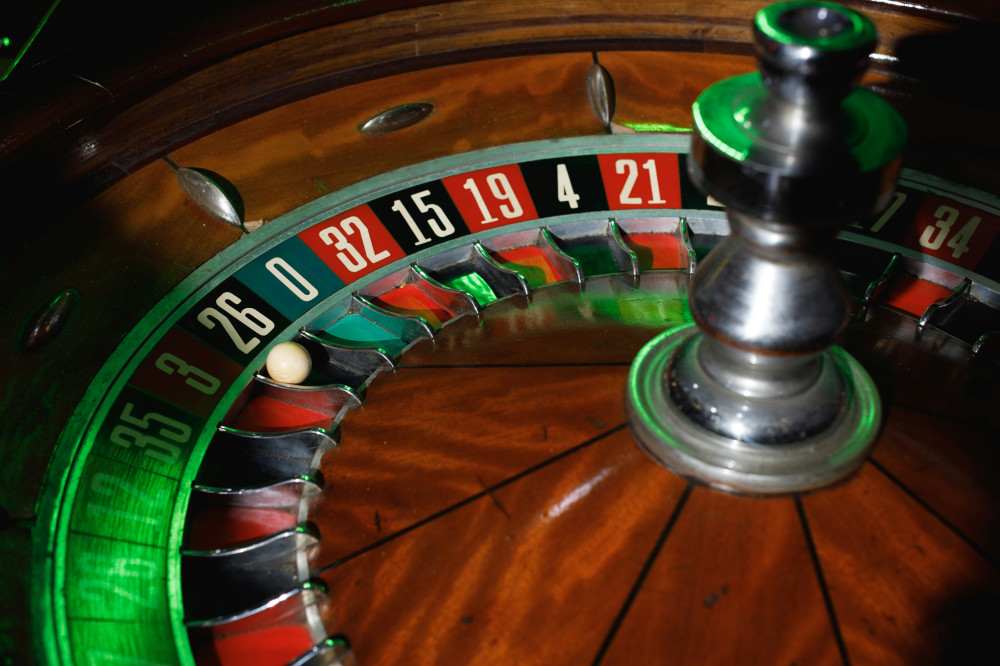
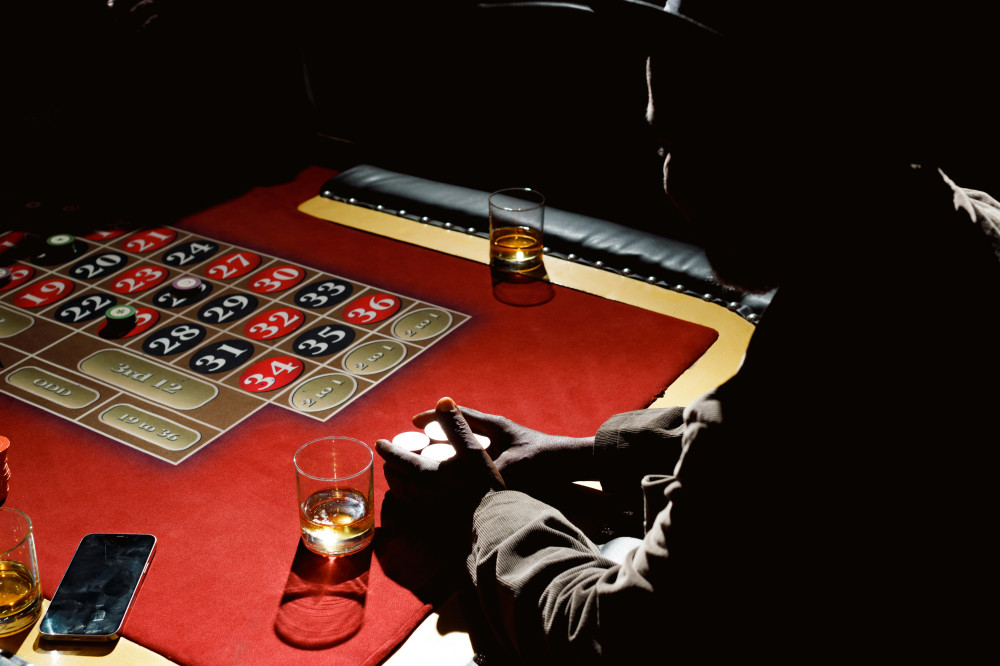
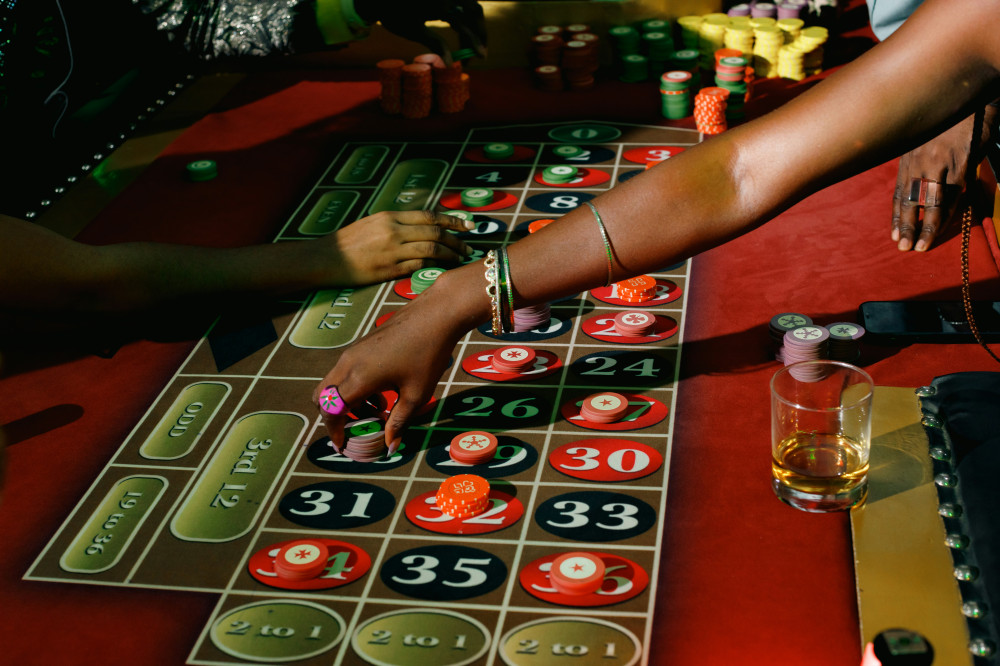
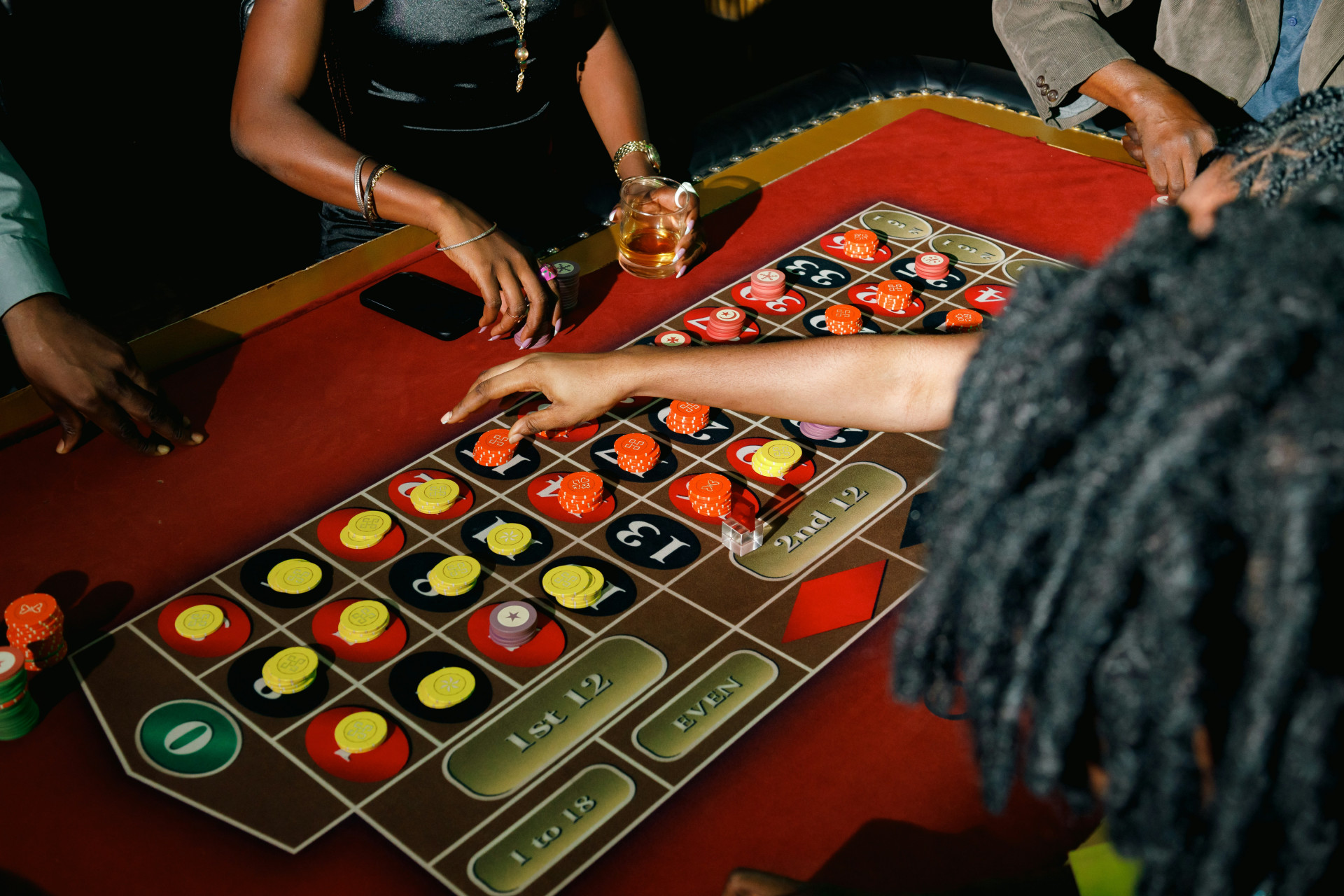
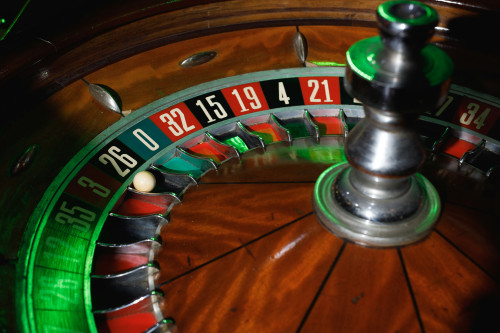
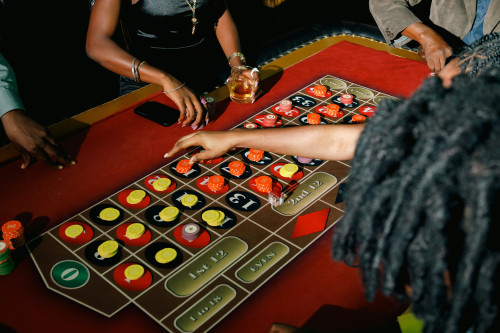
At its core, odds express the likelihood that something will happen. In American roulette, for example, there are 38 slots on the wheel (numbers 1–36, plus 0 and 00). The probability of the ball landing on a specific number is 1 in 38 — or odds of 37 to 1 against you.
Once you understand how probabilities work, it becomes easier to tell when something is truly likely — and when it just feels likely. Our brains aren’t naturally good at judging risk. We tend to overestimate rare events, like plane crashes, and underestimate common ones, like car accidents or chronic diseases.
From the Casino to Real-Life Decisions
Thinking in terms of odds isn’t about being cynical; it’s about seeing the world more clearly. When you face a decision — big or small — ask yourself: What are the chances this will go the way I hope? and What happens if it doesn’t?
Here are a few examples:
- Career moves: The odds of landing your dream job might be low, but the potential reward is high. If the downside of applying is minimal, it’s worth taking the shot.
- Investing: High returns sound appealing, but they usually come with higher risk. Thinking in probabilities helps you decide whether the potential reward matches your comfort level.
- Health choices: Many health decisions — from diet to exercise — are about improving your odds of a long, healthy life. You can’t control everything, but you can tilt the probabilities in your favor.
Knowing the Difference Between Luck and Strategy
In roulette, outcomes are purely random. No amount of pattern analysis can change where the ball lands. In everyday life, though, you can actually improve your odds through preparation, knowledge, and effort.
Take salary negotiations, for example. You can increase your chances of success by researching market rates, practicing your arguments, and choosing the right timing. That’s not luck — that’s strategy.
Understanding the difference between what you can and can’t control helps you focus your energy where it matters most.
Avoiding Common Thinking Traps
Many of our decisions are influenced by what psychologists call cognitive biases — mental shortcuts that distort how we perceive probabilities. Here are a few of the most common:
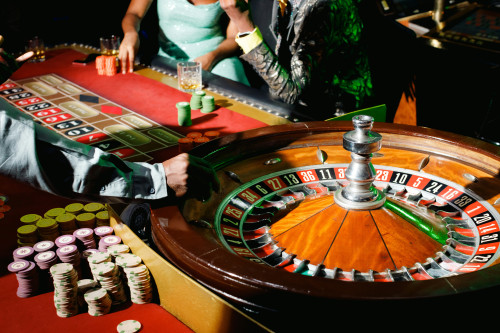
- The gambler’s fallacy: The belief that past outcomes affect future ones. If the roulette wheel has landed on black five times in a row, many people think red is “due.” But the odds remain the same every spin.
- Overconfidence: We often overestimate our own knowledge or abilities, which can lead to overly risky choices.
- Availability bias: We judge probabilities based on what comes easily to mind. If you just heard about a burglary in your neighborhood, you might think your own risk is higher than it really is.
Recognizing these mental traps helps you make decisions based on facts rather than feelings.
Læs også:
How to Train Your Sense of Odds
You don’t need to be a mathematician to think in probabilities. Start small:
- Ask “What are the chances?” whenever you face a decision.
- Compare alternatives. What’s the likelihood of success in each scenario?
- Weigh consequences. A low probability might be fine if the downside is small — but not if the stakes are high.
- Learn from experience. Track how your judgments hold up over time. This helps sharpen your intuition.
Over time, this way of thinking becomes second nature — a kind of mental fitness for decision-making.
From the Casino Floor to Everyday Control
Roulette is all about chance, but life isn’t. By taking the logic of odds out of the casino and into your daily choices, you can make more deliberate, confident decisions — in your finances, relationships, and health.
It’s not about eliminating uncertainty; it’s about understanding it. When you know your odds, you can take risks with open eyes — and whether you win or lose, you’ll know you made your move wisely.
Læs også: