Visual Communication in Casinos – How Graphics Enhance the Gaming Experience


Visual Communication in Casinos – How Graphics Enhance the Gaming Experience
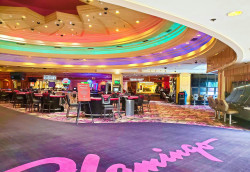
When you step into a casino—whether on the Las Vegas Strip or on your phone—you’re immediately surrounded by color, light, and motion. But behind the spectacle lies a carefully crafted form of communication. Graphics, colors, and symbols aren’t just decoration; they’re part of a strategic design language that makes games intuitive, engaging, and easy to understand. In an industry where attention spans are short and competition is fierce, visual communication is one of the most powerful tools for keeping players immersed.
From Decoration to Design Strategy
In the past, casino visuals were often seen as pure entertainment—flashing lights, glittering patterns, and bold colors meant to dazzle. Today, design has evolved into a science. Modern casinos, especially online platforms, rely on principles of user experience (UX) and information design to guide players smoothly through complex games. The goal is clarity and flow: helping players understand rules, payouts, and game mechanics at a glance.
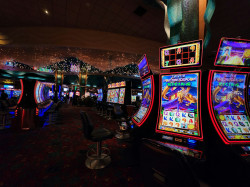
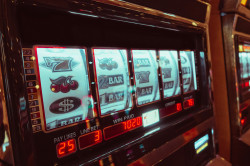
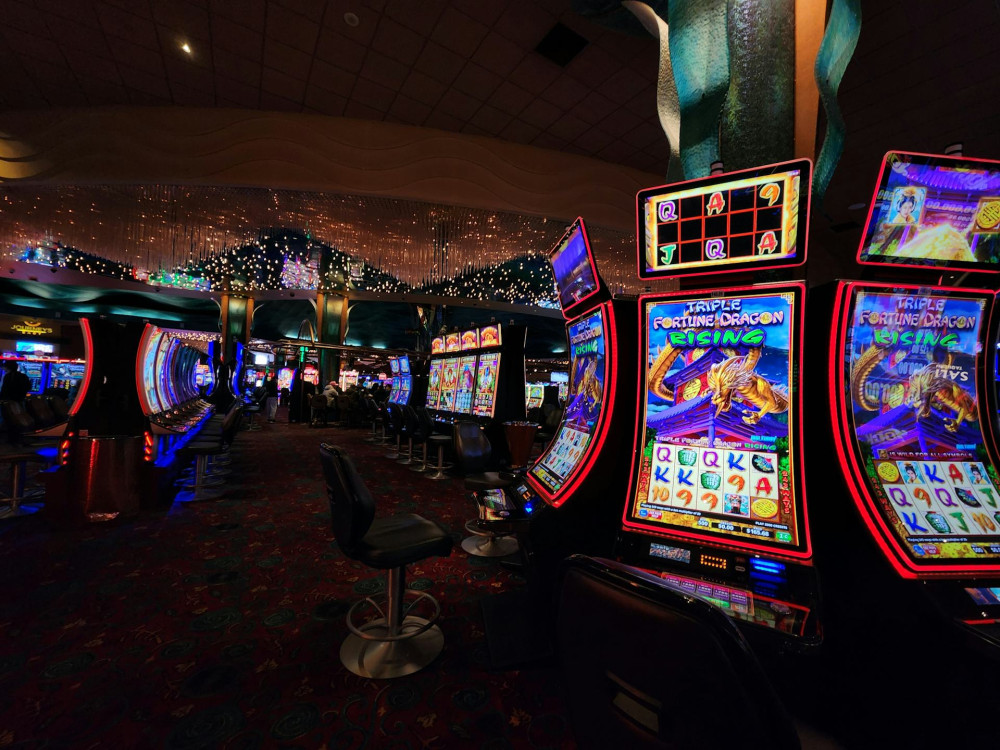
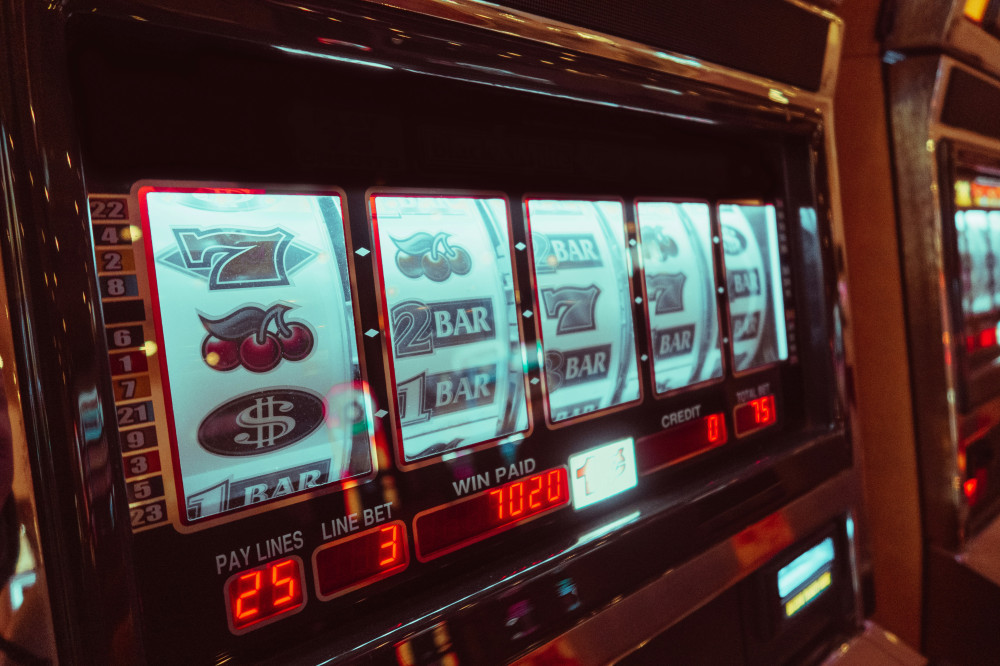
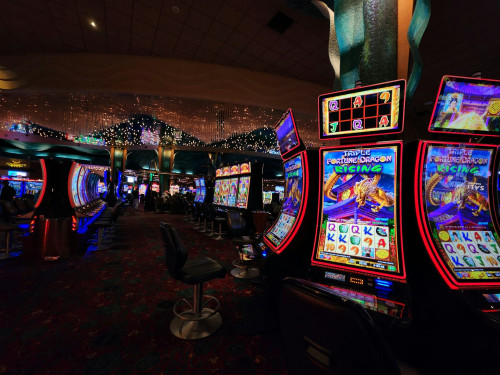
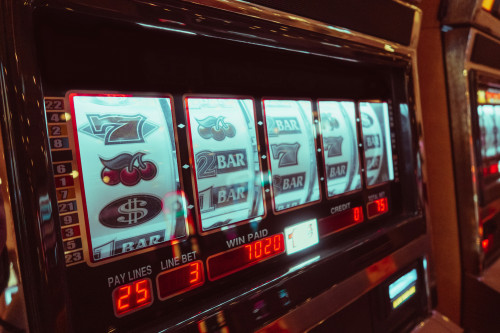
Slot machines are a perfect example of this evolution. The classic “one-armed bandits” featured simple fruit and bell symbols. Their digital descendants use layered graphics, animations, and color cues to signal progress, bonuses, and wins. The visuals don’t just look good—they teach players how to play without needing lengthy instructions.
Læs også:
The Psychology of Color – More Than Just Decoration
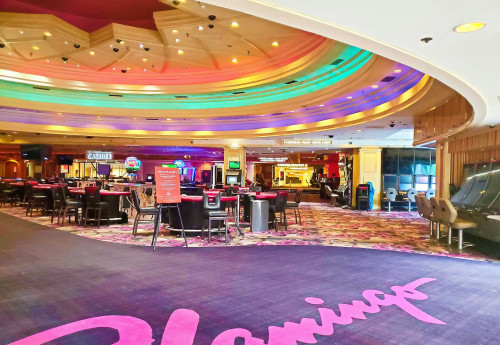
Color is one of the most powerful tools in casino design. Red evokes excitement and energy, which is why it’s often used in high-stakes areas or promotional banners. Green, associated with calm and balance, dominates poker tables and online interfaces where focus is key. Blue conveys trust and technology, making it a popular choice for digital casino brands that want to appear reliable and modern.
Colors also create visual hierarchy. A “Spin” or “Deposit” button is usually brighter or more contrasting than its surroundings, drawing the eye instantly. This is a classic interaction design technique that ensures players know exactly where to click next—without needing to think about it.
Symbols and Icons as a Universal Language
Casinos attract players from all over the world, so visual communication must transcend language barriers. Symbols and icons act as a universal vocabulary. A lightning bolt might indicate a quick-play feature, a coin icon signals a payout, and a star marks a bonus round. These visual cues reduce the need for text and make gameplay more fluid.
In online casinos, where players often switch between games rapidly, this kind of intuitive design is essential. The best interfaces feel natural—players understand what’s happening without consciously analyzing it.
Animation, Sound, and Motion – When the Senses Work Together
Visual communication in casinos isn’t static. Animation and sound play a crucial supporting role. A subtle shimmer might indicate a win, while a short sound cue confirms a completed action. Together, these sensory signals create a feedback loop that keeps players engaged and informed.
However, balance is key. Too many flashing effects or loud sounds can overwhelm the senses and cause fatigue. The most effective casino designs use motion and sound sparingly, enhancing the experience rather than distracting from it.
Design That Builds Trust
In a setting where money and chance are intertwined, trust is everything. Clear, consistent visual design helps establish credibility. Clean layouts, readable typography, and transparent information about odds and payouts make players feel secure.
Many U.S. online casinos now adopt minimalist design trends inspired by fintech and e-commerce platforms. The goal is to create an environment that feels professional and transparent—less like a carnival, more like a trusted digital service.
The Future of Casino Design – Interactive and Personalized
Emerging technologies like virtual reality (VR) and augmented reality (AR) are redefining how visual communication works in casinos. In a VR casino, players can walk through a fully immersive 3D environment where every design element—from lighting to interface icons—conveys meaning and mood. Graphics become part of the gameplay itself, not just a layer on top of it.
Personalization is another growing trend. Online platforms increasingly tailor colors, themes, and layouts to individual preferences. This makes the experience more engaging but also raises new questions about ethical design and transparency. As casinos become more data-driven, designers must balance personalization with fairness and clarity.
When Graphics Become Understanding
Ultimately, visual communication in casinos is about more than aesthetics—it’s about comprehension. Good design helps players navigate, make decisions, and feel connected to the experience. It’s a delicate balance between beauty, function, and psychology. When done right, the graphics don’t just decorate the game—they make it come alive.
Læs også: