The Power of Expectation – How It Shapes Your Gaming Experience


The Power of Expectation – How It Shapes Your Gaming Experience
When you sit down to play a game—whether it’s a new online casino title, a mobile app, or a classic board game—you’re already having an experience before you even press “start.” Your expectations influence how you play, how you react to outcomes, and how satisfied you feel afterward. The power of expectation is one of the most overlooked yet crucial factors in the gaming experience.
What Happens When We Expect Something?
Expectations are mental predictions. They’re built on past experiences, marketing, reviews, and our own hopes. When you try a new game that everyone’s been raving about, you enter the experience with a positive mindset—and that can actually make the game feel more enjoyable.
Psychological research shows that the brain releases dopamine when we anticipate a reward. That means the very act of expecting something good can make us feel excitement and pleasure even before anything happens. In gaming, this mechanism is what keeps us hooked on the thrill, long before we win or lose.
Expectations and Enjoyment – A Delicate Balance
Expectations can both enhance and ruin a gaming experience. If you expect too much, you risk disappointment, even if the game is objectively good. On the other hand, low expectations can lead to pleasant surprises when a game exceeds what you imagined.
Think about when a game gets heavily hyped online. Players go in with sky-high expectations, and even small flaws can feel like major letdowns. In contrast, stumbling upon a game you’ve never heard of can feel like discovering a hidden gem precisely because you had no expectations at all.
Casino Games and the Psychology of Anticipation
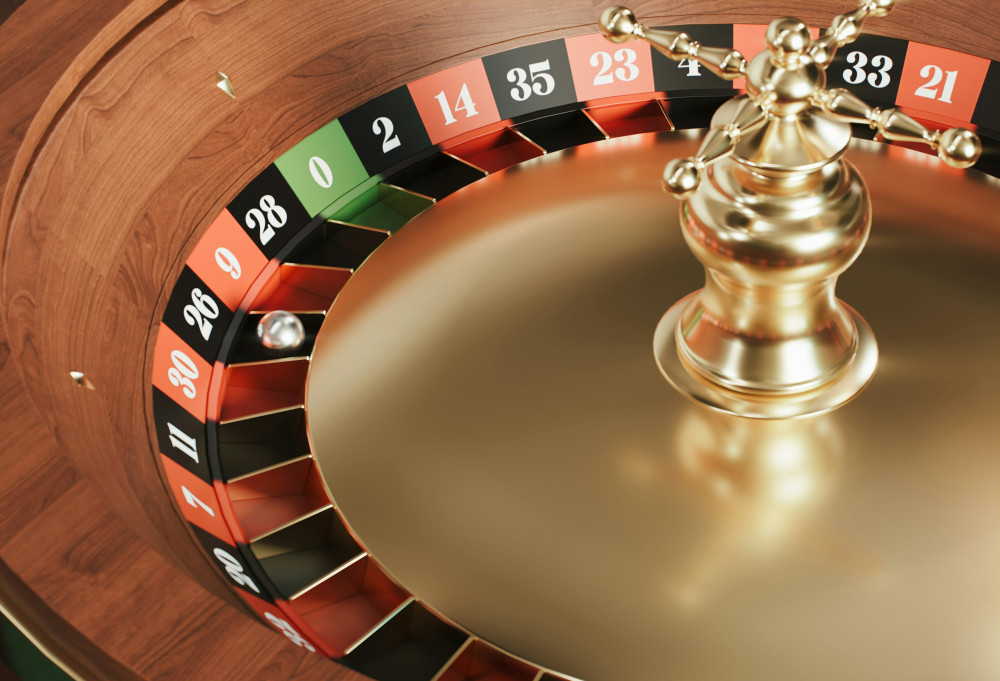
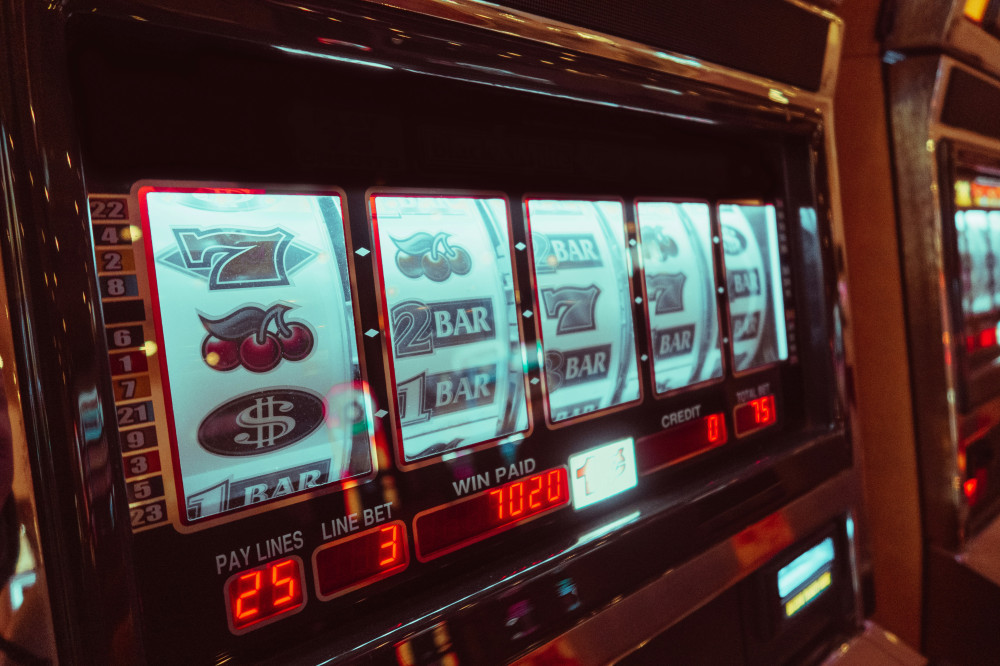
In casino gaming, expectation plays a special role. The outcomes are random, but the experience is anything but. When you pull a slot lever or place a bet, it’s the anticipation of a win that creates the excitement—not necessarily the result itself.
Game designers understand this psychology well. Sounds, lights, and animations are carefully crafted to amplify the feeling that something big is about to happen. Even when you don’t win, your brain can react as if you almost did—and that keeps you engaged.
This doesn’t mean the game is manipulating you; it’s tapping into a natural human mechanism. We love the feeling of anticipation almost as much as the reward itself.
Læs også:



How to Use Expectation Consciously
Understanding the power of expectation can help you get more out of your gaming experiences—and keep them healthy and enjoyable.
- Set realistic expectations. Play for the experience, not just the win. That mindset makes it easier to enjoy the game no matter the outcome.
- Be aware of your emotions. If the excitement starts to take over, take a break. Anticipation can be intense, but it shouldn’t control you.
- Celebrate small moments. Instead of focusing only on big wins, notice the little victories—a clever move, a lucky spin, or a well-timed strategy.
- Let yourself be surprised. Try new games without reading too much about them beforehand. It can make the experience more genuine and unpredictable.
When Expectation Becomes Part of the Experience
Expectation isn’t something you can—or should—remove from gaming. It’s part of what makes games fun, thrilling, and immersive. But by being aware of how your expectations shape your experience, you can take control of the way you play instead of letting the game control you.
Next time you start a game, pay attention to what you expect—and how that changes the way you play. You might discover that the greatest reward isn’t in the outcome itself, but in the excitement that comes before it.
Læs også: