The Importance of Design: When the Interface Enhances the Joy of Gaming

The Importance of Design: When the Interface Enhances the Joy of Gaming
When we play—whether it’s on a console, a smartphone, or a slot machine—it’s not just the rules or rewards that shape the experience. Design plays a crucial role in how engaged we become and how long we stay immersed. A well-crafted interface can make the difference between a game you abandon after a few minutes and one you return to again and again. But what exactly makes a design great—and how does it influence our enjoyment?
First Impressions Matter
The first thing we encounter in any game is its visual identity. Colors, symbols, and layout set the tone before we even press “start.” A clear and inviting design makes it easy to understand what to do and encourages exploration. On the other hand, a cluttered or confusing interface can turn players away within seconds.
That’s why game developers put so much effort into creating intuitive menus, readable icons, and balanced visuals that feel natural to navigate. It’s not just about aesthetics—it’s about building an experience where players feel comfortable, confident, and in control.
When Design and Function Work Together
Good design isn’t just beautiful—it works. In modern games, the interface is often woven directly into the gameplay. Animations that highlight wins, progress bars that pulse with energy, or icons that subtly guide the player all serve both functional and emotional purposes. They inform and entertain at the same time.
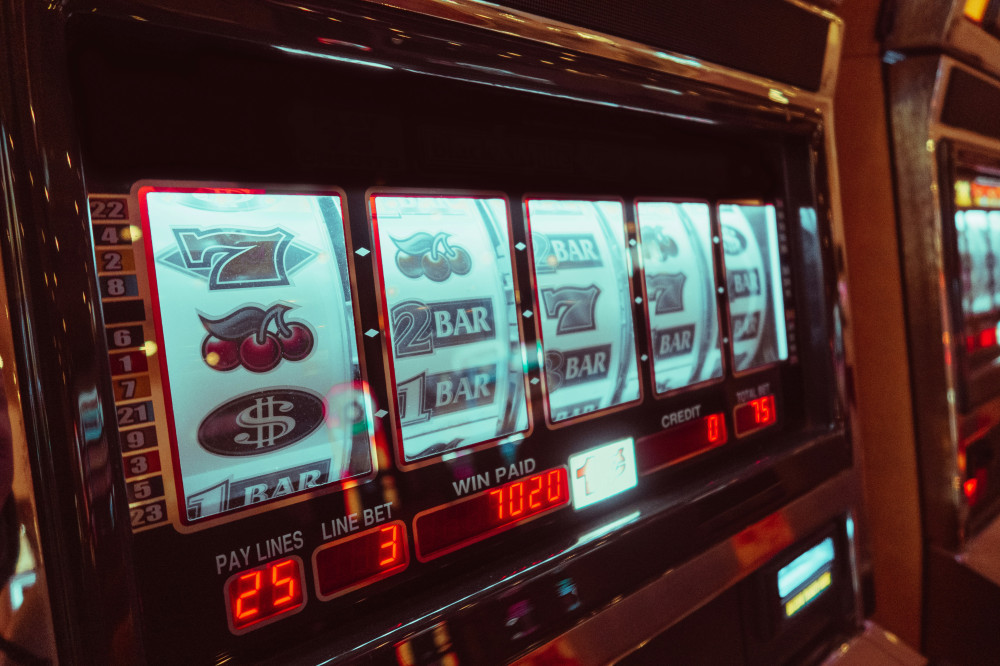
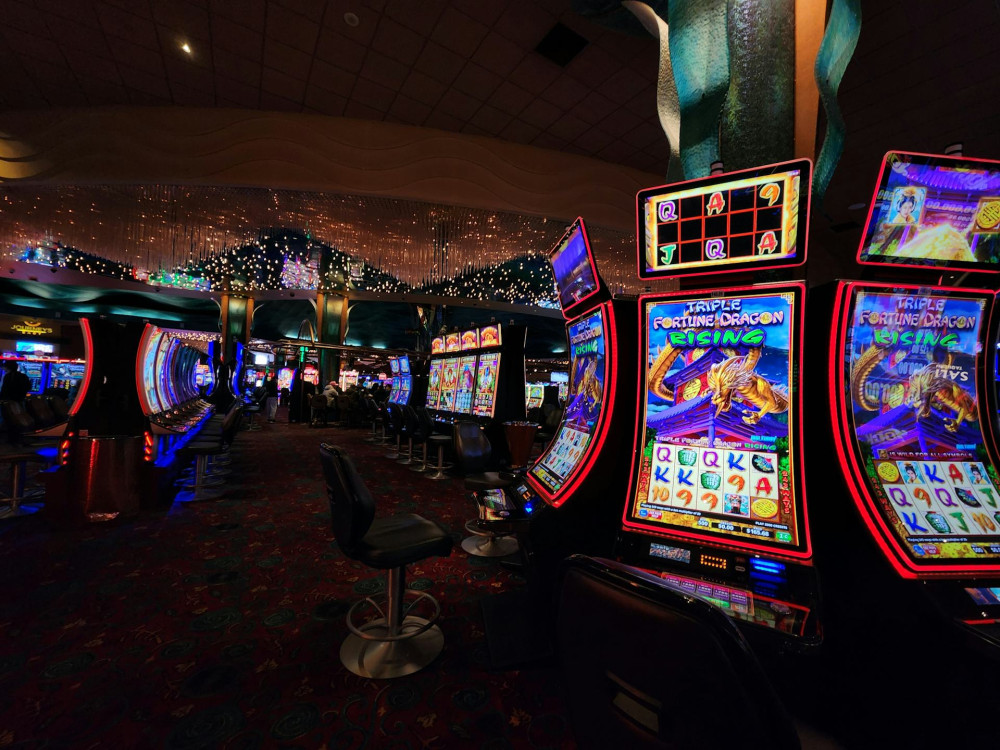
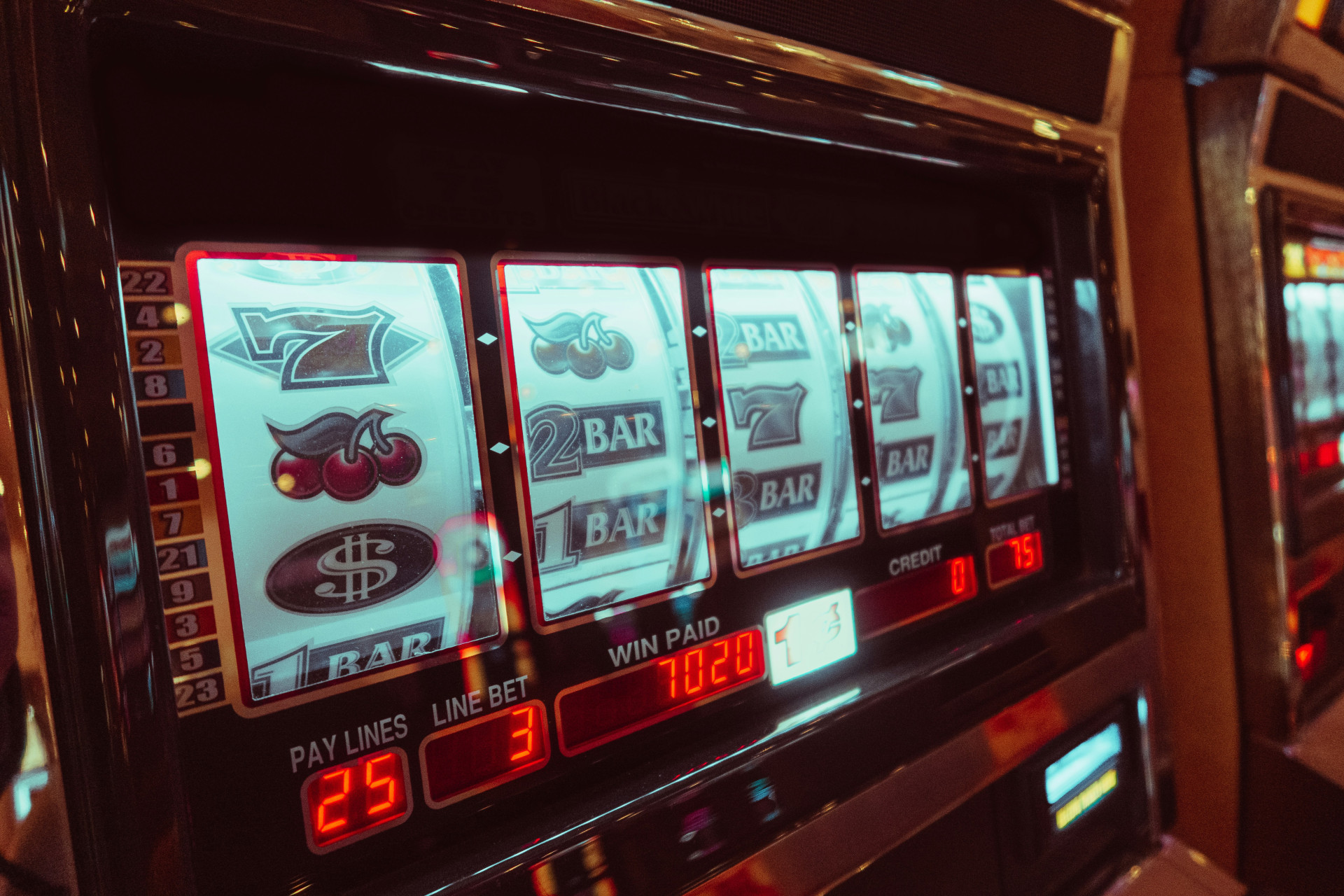
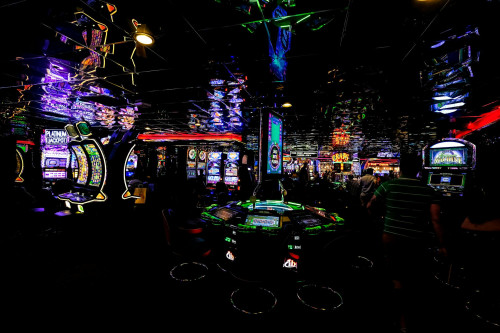
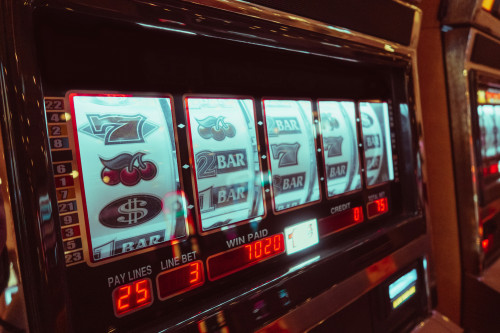
Think of popular mobile games or online slots: symbols, colors, and sounds work together to create rhythm and flow. When design supports the game’s pace and theme, the experience feels cohesive—and far more satisfying.
Læs også:
The Power of Color, Sound, and Motion
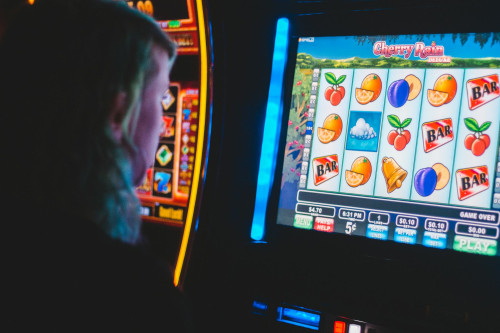
Design is also about sensory experience. Colors can influence mood, and sound can heighten excitement. A soft animation when you level up or a subtle chime when you unlock a bonus can create a sense of progress and reward. These small cues combine to make the game feel alive.
But balance is key. Too many effects can overwhelm and exhaust players. The best games use design as a guide, not a distraction—helping players focus on what matters most while keeping the experience engaging and dynamic.
User Experience as a Competitive Edge
In a market where players can choose from thousands of titles, design has become a major competitive factor. A game with a clear, user-friendly structure and a visual style that resonates with its audience stands a much better chance of keeping players over time.
That’s why many developers invest in user testing and behavioral research. Observing how players interact with a game can reveal surprising insights. Even small adjustments—like the placement of a button or the speed of an animation—can dramatically change how enjoyable a game feels.
Design as Part of the Story
In the best games, design isn’t just a layer on top—it’s part of the storytelling. The theme, symbols, and interface all work together to create a unified world. A fantasy game might use parchment textures and hand-drawn icons, while a sci-fi title opts for metallic tones and sharp geometric lines.
When design supports the game’s universe, immersion deepens. Players don’t just play—they inhabit the world. And that’s where true joy in gaming begins.
The Future of Game Design
With emerging technologies like virtual reality, augmented reality, and adaptive interfaces, design’s role is only becoming more vital. As games grow more complex, design must help players stay oriented and feel empowered within increasingly rich environments.
The future of gaming will likely emphasize personalization, where interfaces adapt to each player’s behavior and preferences. This presents new challenges for designers—but also opens the door to more engaging, individualized experiences than ever before.
Design as the Key to Joy
A great game isn’t just about luck, skill, or story—it’s about feeling. When design works, the game becomes intuitive, beautiful, and alive. It creates a space where players lose track of time and simply enjoy the moment. That’s why design isn’t just decoration—it’s the key to the joy of gaming.
Læs også: