Luck and Symbolism: How Gambling Wins Are Celebrated Across Cultures


Luck and Symbolism: How Gambling Wins Are Celebrated Across Cultures
Winning a game of chance—whether it’s a lottery ticket, a casino jackpot, or a friendly card game—sparks excitement everywhere. Yet the ways people celebrate luck, and the symbols they associate with it, differ widely from culture to culture. In some places, luck is something to be shared; in others, it’s a sign of divine favor or personal destiny. Here’s a look at how gambling wins are celebrated around the world—and what those celebrations reveal about our relationship with fortune.
Asia: Luck as Harmony and Prosperity
Across much of Asia, luck is deeply tied to balance, energy, and symbolism. In China, color and numbers play a major role. Red represents happiness and prosperity, so winners often hand out red envelopes—hongbao—filled with money to family and friends. The number eight is considered especially lucky because it sounds like the word for wealth, which is why many lottery players choose numbers with eights.
In Japan, luck is often linked to effort and respect for tradition. A gambling win might be followed by a visit to a shrine to give thanks and pray for continued balance. The celebration is less about flaunting wealth and more about showing humility toward the unseen forces that shape fate.
Europe: From Superstition to Social Celebration
Europe’s relationship with luck and gambling has long been a mix of fascination and caution. In Southern Europe—especially Italy and Spain—winners often celebrate with family and friends over food, wine, and music. The joy is communal, emphasizing that good fortune is best when shared.
In Northern Europe, celebrations tend to be more modest, but superstition still lingers. Many people carry lucky charms, like coins or rabbit’s feet, or knock on wood before placing a bet. In the United Kingdom, it’s common for lottery winners to donate part of their prize to charity—a way to “balance” their luck and avoid seeming greedy.
North America: The Big Win as a Life-Changer
In the United States, gambling wins are often tied to the dream of success and self-made fortune. When someone hits a massive lottery jackpot, it becomes a public event—complete with oversized checks, flashing cameras, and smiling winners. The celebration isn’t just about money; it’s about achieving the American dream, where luck and hard work are seen as partners in success.
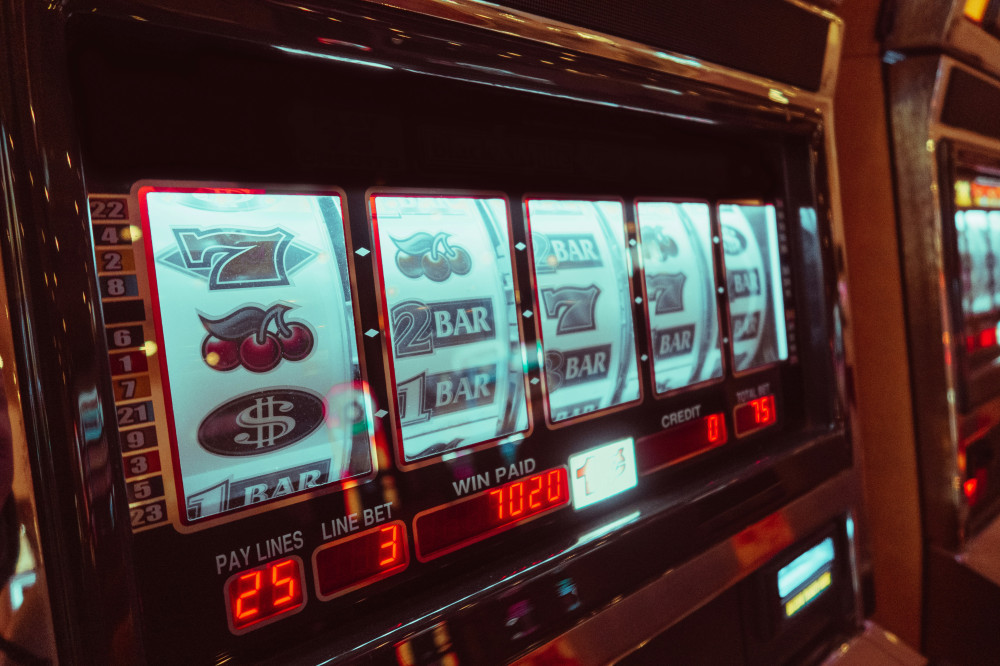
In Las Vegas or Atlantic City, casino wins are celebrated with champagne, lights, and sound effects—a spectacle that turns luck into entertainment. Here, luck is not just random chance but part of a larger story about ambition, risk, and reward.
Africa: Community and Spiritual Meaning
In many African cultures, luck is viewed as something that belongs to the community rather than the individual. A gambling win—big or small—is often celebrated with neighbors and relatives. There might be a feast, shared drinks, or symbolic gifts to elders as a gesture of gratitude. Luck is seen as a sign that the community is in harmony.
Spirituality also plays a role. In some regions, winners consult spiritual leaders or healers to ensure that their newfound fortune brings lasting happiness rather than misfortune. This blending of faith and fortune highlights how deeply luck is woven into cultural and spiritual life.
Latin America: Faith, Tradition, and Festivity
In Latin America, gambling and luck are closely tied to religion and celebration. Many winners light candles in church or thank a patron saint—especially San Cayetano, known as the protector of work and prosperity. At the same time, there’s a strong tradition of turning a win into a party, with music, dancing, and food.
In countries like Mexico and Brazil, a win is often seen as a blessing meant to be shared. It’s common for winners to invite friends and neighbors to join the festivities, spreading the joy—and, symbolically, the luck—through the community.
Scandinavia: Modesty and Symbolic Gestures
In Scandinavian countries, including Denmark, gambling wins are usually celebrated quietly. A nice dinner, a bottle of wine, or a small gift to loved ones is typical. Symbols of luck—like four-leaf clovers, horseshoes, or ladybugs—still appear in connection with lotteries and games, but the tone remains understated. Luck is appreciated, but humility and balance are valued just as much.
Læs også:


Luck as a Shared Human Experience
Though the rituals differ, one thing is universal: the desire to make sense of chance. Luck becomes a symbol of hope, destiny, and connection. Whether it’s a red envelope, a champagne toast, or a simple smile of gratitude, celebrating a win is about more than money—it’s about acknowledging the mystery of fortune and the joy of sharing it with others.
Læs også: