Lotto and Probability: What Are the Odds of Winning, Really?

Lotto and Probability: What Are the Odds of Winning, Really?
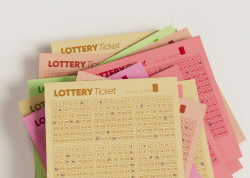
Every week, millions of Americans buy lottery tickets, dreaming of the life-changing jackpot that could erase debts, buy a new home, or make early retirement possible. The excitement builds as the numbers are drawn on TV or checked online. But how realistic is that dream? The truth is, the odds of winning are far smaller than most people imagine. Still, the lottery continues to captivate players across the country. Let’s take a closer look at what the numbers really say—and why we keep playing anyway.
How the Lottery Works
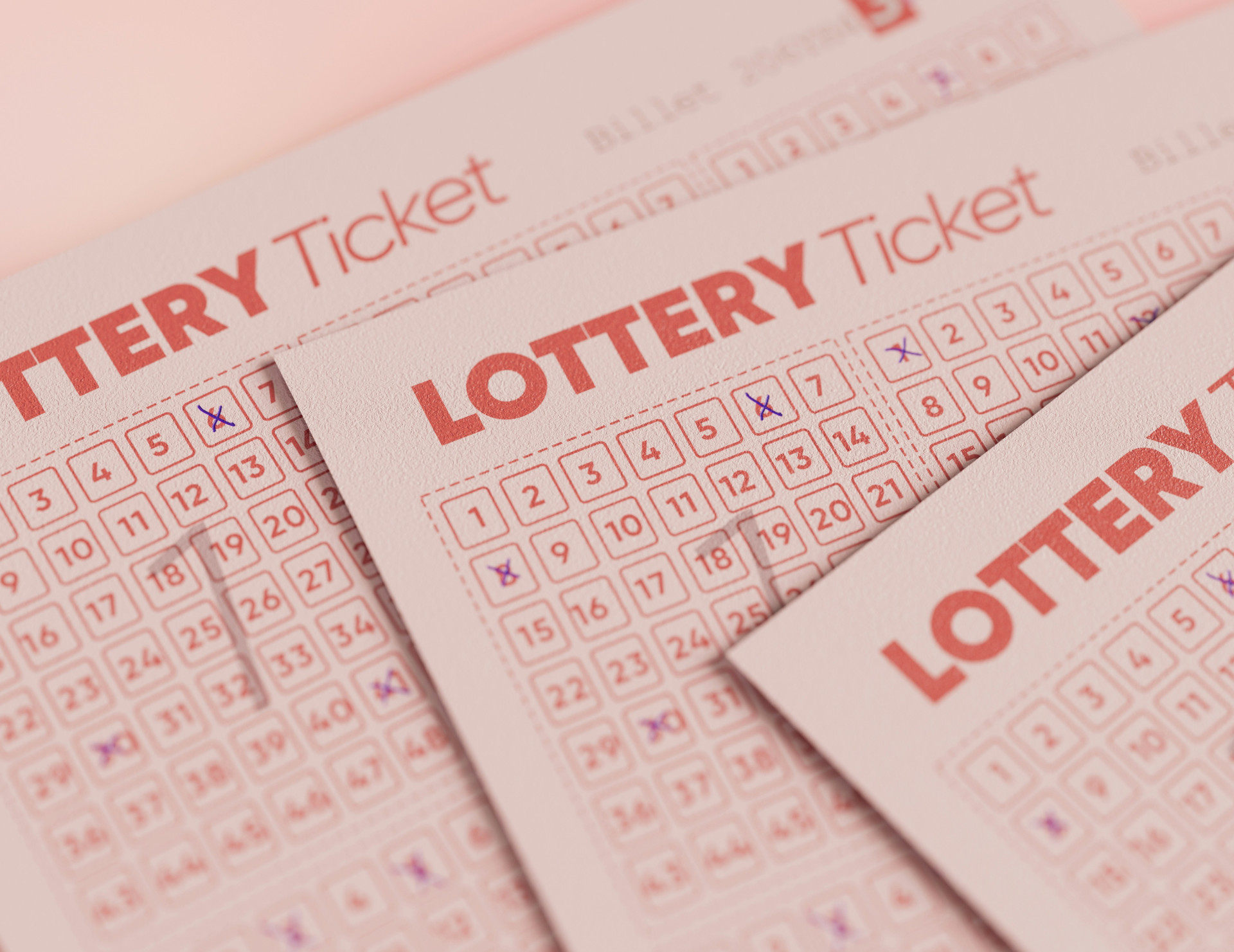
In most U.S. state lotteries, players choose a set of numbers from a larger pool. For example, in Powerball, you pick five numbers from 1 to 69 and one “Powerball” number from 1 to 26. To win the jackpot, all six numbers must match the ones drawn. There are also smaller prizes for matching some—but not all—of the numbers.
The system is simple, and that’s part of its appeal. Everyone has the same chance, no matter how many tickets they buy or how they pick their numbers. But that same simplicity also means the odds are astronomically low.
The Cold Math Behind the Dream
Let’s crunch the numbers. The odds of winning the Powerball jackpot are about 1 in 292 million. For Mega Millions, the odds are even longer—1 in 302 million. To put that in perspective, you’re about 250 times more likely to be struck by lightning in your lifetime than to win the top prize in either game.
Even the smaller prizes are tough to hit. The odds of winning $1 million in Powerball (by matching all five white balls but not the Powerball) are about 1 in 11.7 million. The odds of winning any prize at all—say, a few dollars—are roughly 1 in 24. That means most players walk away empty-handed.
Why Do We Keep Playing?
If the odds are so bad, why do so many people keep buying tickets? The answer lies in human psychology. We’re not wired to think intuitively about huge numbers or tiny probabilities. Instead, we focus on the possibility, not the likelihood.
The lottery taps into our imagination. We picture what life would be like if we suddenly had millions: paying off the mortgage, helping family, traveling the world. For a few dollars, we get to dream—and that dream can be worth the price of admission.
There’s also a social and cultural side to it. Office pools, family traditions, and the shared excitement of a big drawing make the lottery more than just a game—it’s a small ritual that connects people. And when jackpots climb into the billions, the buzz becomes a national event.
Can You Improve Your Chances?
Mathematically, there’s no way to influence the outcome. Every number combination has exactly the same chance of being drawn. There are no “lucky” numbers or patterns that can beat the system.
However, you can slightly improve your odds of not sharing a jackpot if you do win. Many people choose numbers based on birthdays or anniversaries, which means numbers 1–31 are overused. Picking higher numbers won’t increase your chance of winning, but it might reduce the chance of splitting the prize with others.
Lottery as Entertainment, Not Investment
It’s important to see the lottery for what it is: entertainment, not a financial plan. The expected return is negative—meaning that, over time, you’ll lose money if you play regularly. But if you treat it as a bit of fun, set a budget, and play responsibly, it can be an enjoyable diversion.
Think of it like paying for a movie ticket: you’re buying a few hours of excitement and imagination, not a guaranteed payoff.
Læs også:
The Dream Lives On
Despite the daunting odds, the lottery isn’t going anywhere. For many Americans, it’s not just about winning—it’s about hope. Each ticket represents a tiny spark of possibility, a moment to imagine a different life. And maybe that’s the real prize: not the millions of dollars, but the dream itself.
Læs også: