Drawing Lots as Play – A Fair Way to Distribute Tasks and Responsibilities

Drawing Lots as Play – A Fair Way to Distribute Tasks and Responsibilities
Who takes out the trash, walks the dog, or chooses the next movie? In many households and communities, small decisions can easily turn into long debates. Drawing lots can be a simple and fair solution—and even a fun way to build a sense of togetherness. It’s not just about chance; it’s about trust, play, and balance in everyday life.
When Chance Becomes Fairness
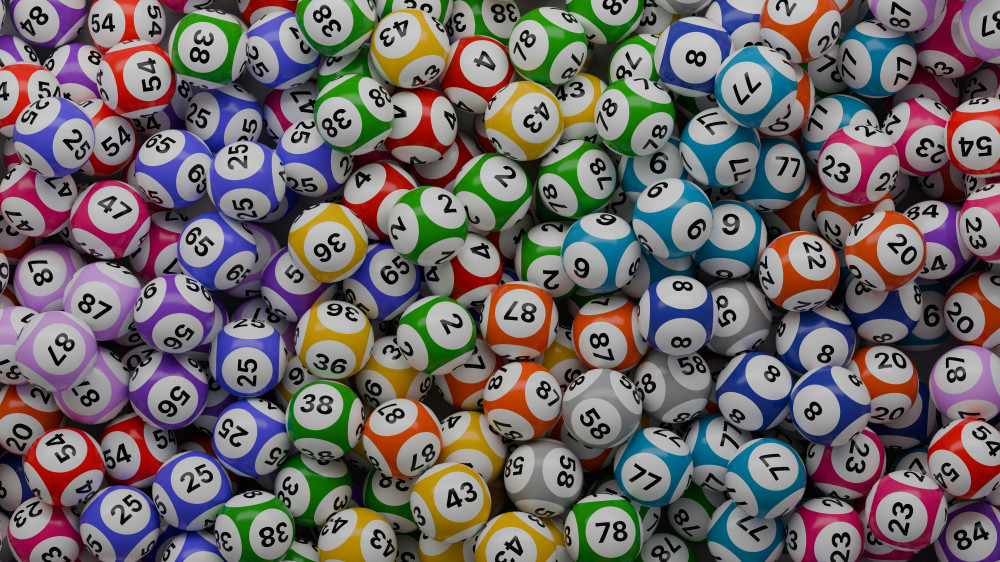
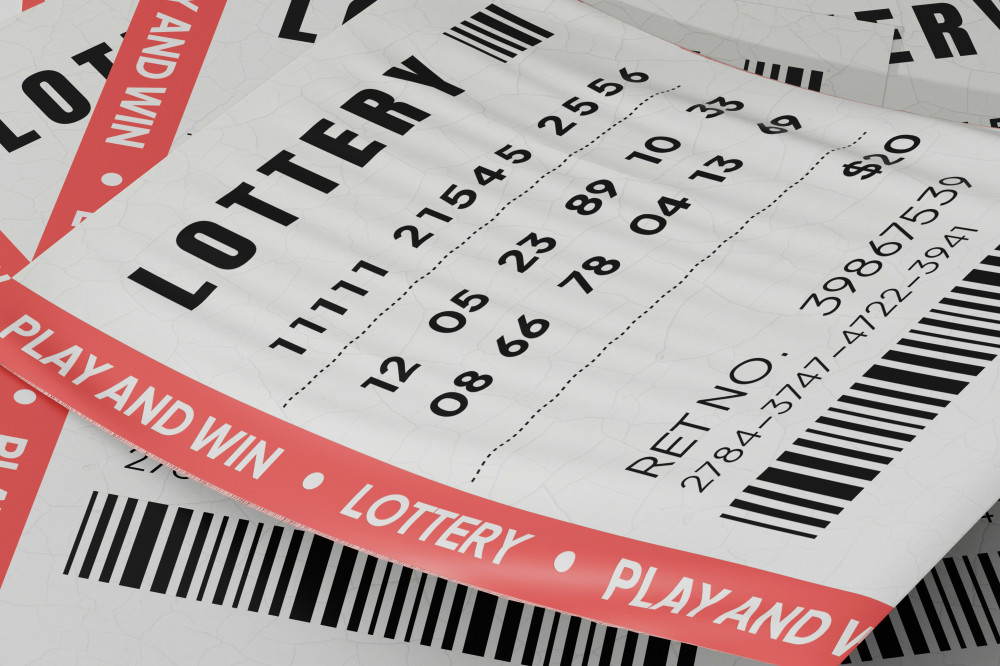
The idea of leaving decisions to chance has been around for centuries—from ancient rituals to modern-day jury selection and sports tournaments. What all these situations have in common is the desire for fairness. When the outcome is random, no one can claim favoritism or bias.
In daily life, that can be liberating. Instead of arguing over who gets stuck with the least appealing chore, you can let the draw decide. It removes personal preferences from the equation and makes the result easier to accept—even when you don’t “win.”
Læs også:
How to Use Drawing Lots in Everyday Life
Drawing lots can be used in many settings—practical, social, or even professional. Here are a few examples:
- At home: Use drawing lots to assign chores like doing the dishes, mowing the lawn, or folding laundry. You can write tasks on slips of paper and pull them from a jar, or use a randomizer app on your phone.
- With friends: Can’t decide who picks the restaurant or who gets the last slice of pizza? A quick draw can settle it without hard feelings.
- At work: When several coworkers want the same vacation week or office spot, drawing lots can be a neutral and transparent way to decide.
- In the classroom: Teachers can use random draws to determine presentation order or group assignments. It keeps things varied and feels fair to students.
The key is that everyone agrees beforehand that the draw will determine the outcome. That shared agreement makes it easier to accept the result, no matter what it is.
Make It Playful
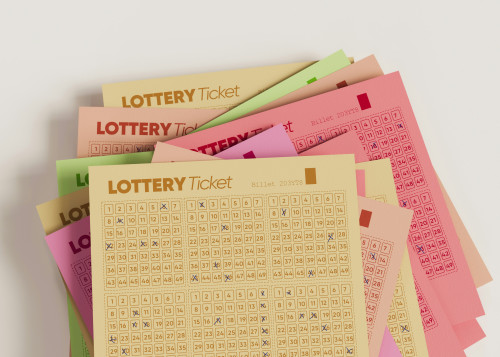
Drawing lots doesn’t have to be dull. In fact, it can become a small event in itself. Use colorful slips of paper, a hat, a coin toss, or a digital spinning wheel. The suspense adds excitement and laughter—especially when something is at stake, even if it’s just bragging rights.
For children, drawing lots can be a great way to learn about fairness and patience. They experience that you can’t always get your way, but everyone has an equal chance. It’s also a fun introduction to ideas like probability and randomness.
When Drawing Lots Isn’t Enough
While drawing lots can feel like the perfect solution, it’s not always sufficient on its own. If the tasks are very different in difficulty or time commitment, it might be better to combine the draw with a rotation system or a plan for balancing responsibilities over time.
It’s all about finding the right balance between play and responsibility. Drawing lots works best when everyone feels the system is fair—not just random.
A Simple Method with a Big Impact
Drawing lots may seem trivial, but it carries an important message: we can’t control everything, and sometimes that’s exactly what makes things easier. It can reduce tension, spark laughter, and create a shared sense of fairness.
Next time you’re stuck in a stalemate, let chance decide. You might find that it’s not only a practical solution—but also a small game that brings people closer together.
Læs også: