Craps in Film and Popular Culture – The Game with the Iconic Image


Craps in Film and Popular Culture – The Game with the Iconic Image
Craps is one of the most recognizable casino games in the world. Even people who have never set foot in a casino can picture the scene: two dice flying through the air, a crowd holding its breath, and a sudden eruption of cheers or groans. The game has become a cinematic shorthand for luck, risk, and the thrill of the unknown. But why has craps, of all games, earned such a lasting place in American film and popular culture?
From Street Corners to the Silver Screen
Craps evolved from the old English game of hazard and found its modern form in the United States during the 19th century. It spread quickly, first as a street game and later as a staple of casinos from New Orleans to Las Vegas. Its appeal was simple: it was fast, social, and easy to learn. All you needed were two dice and a bit of nerve.
Hollywood soon realized that craps was made for the movies. The game’s visual drama—the tension of the roll, the crowd’s reaction, the instant payoff—translated perfectly to film. In classic movies of the 1940s and 1950s, craps tables became stages for characters who lived on the edge, chasing fortune or redemption. The game came to symbolize the American spirit of risk-taking and the belief that luck can change in an instant.
Læs også:



Iconic Scenes and Symbolism
Craps scenes appear across genres: from noir thrillers and gangster films to romantic comedies and modern dramas. Often, the dice table is more than a setting—it’s a metaphor. When a character throws the dice, it’s rarely just about money. It’s about fate, courage, and the willingness to take a chance.
In contemporary film and television, craps continues to serve as a visual metaphor for uncertainty and control. The dice represent life’s randomness, while the table becomes a microcosm of human ambition and hope. That symbolism keeps the game relevant, even as the world of gambling evolves.
Beyond the Movies: Music, Fashion, and Advertising
The imagery of craps extends far beyond the casino floor. In American music, dice and gambling metaphors have long been used to express risk, ambition, and the pursuit of success. Even when craps isn’t mentioned by name, the image of rolling dice captures the essence of taking a chance.
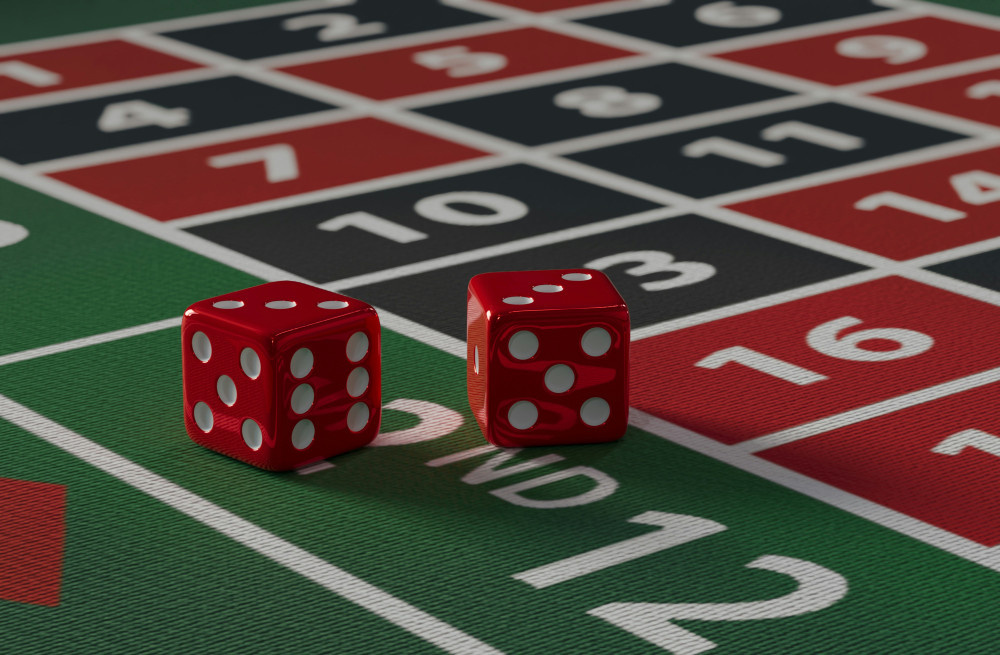
Fashion and advertising have also embraced the craps aesthetic. Designers and brands often borrow the visual language of Las Vegas—green felt, red dice, neon lights—to evoke excitement, glamour, and the promise of fortune. The craps table has become a cultural icon, instantly recognizable and endlessly adaptable.
Why Craps Still Captivates
Today, many people experience craps online rather than in a physical casino, but the fascination remains. The game embodies something deeply human: the desire to challenge fate and feel the rush of possibility. It’s a social game, full of energy and shared emotion, where every roll feels like a story in itself.
Craps endures in popular culture not just because of its rules or its history, but because of what it represents. It’s the image of hope, risk, and the dream that everything can change with a single throw of the dice.
Læs også: