Blackjack and Probabilities – Understand the Basics Without Math Stress

Blackjack and Probabilities – Understand the Basics Without Math Stress
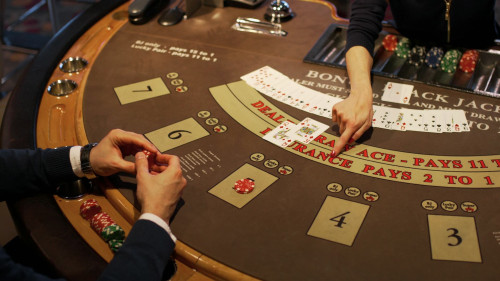
Blackjack is one of the most popular casino games in the United States – and for good reason. It blends luck, strategy, and a touch of probability, but you don’t need to be a math whiz to enjoy it. Many people think blackjack is all about memorizing numbers or counting cards like in the movies, but in reality, you can understand the essentials with just a few simple ideas. Here’s a friendly guide to how probability plays a role in blackjack – explained without the math anxiety.
What Blackjack Is Really About
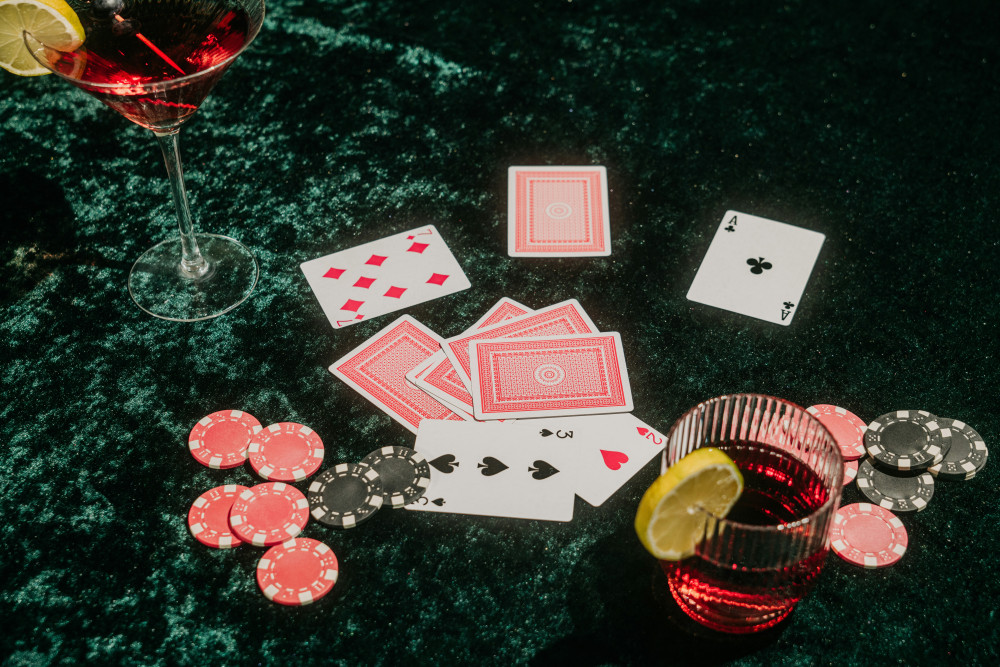
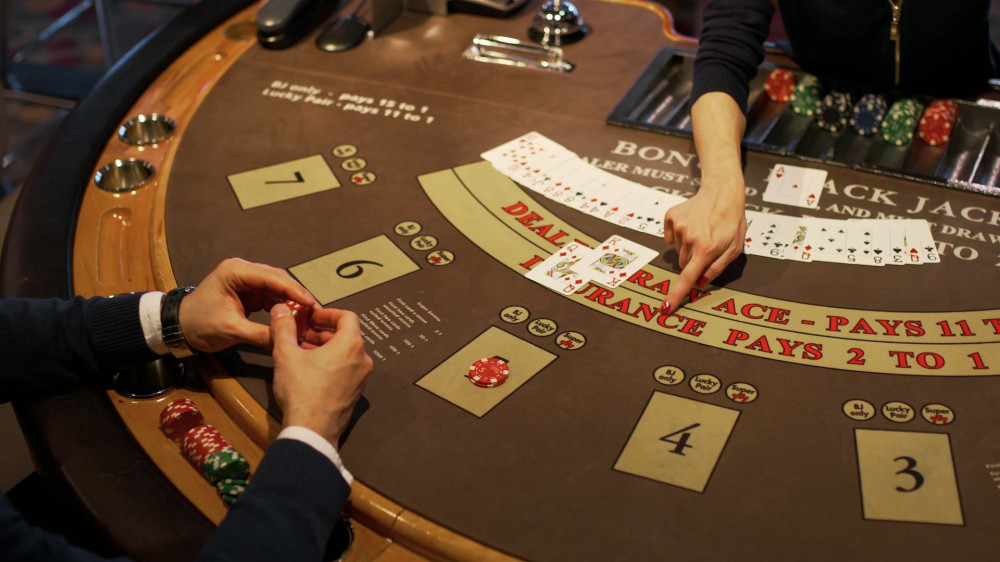
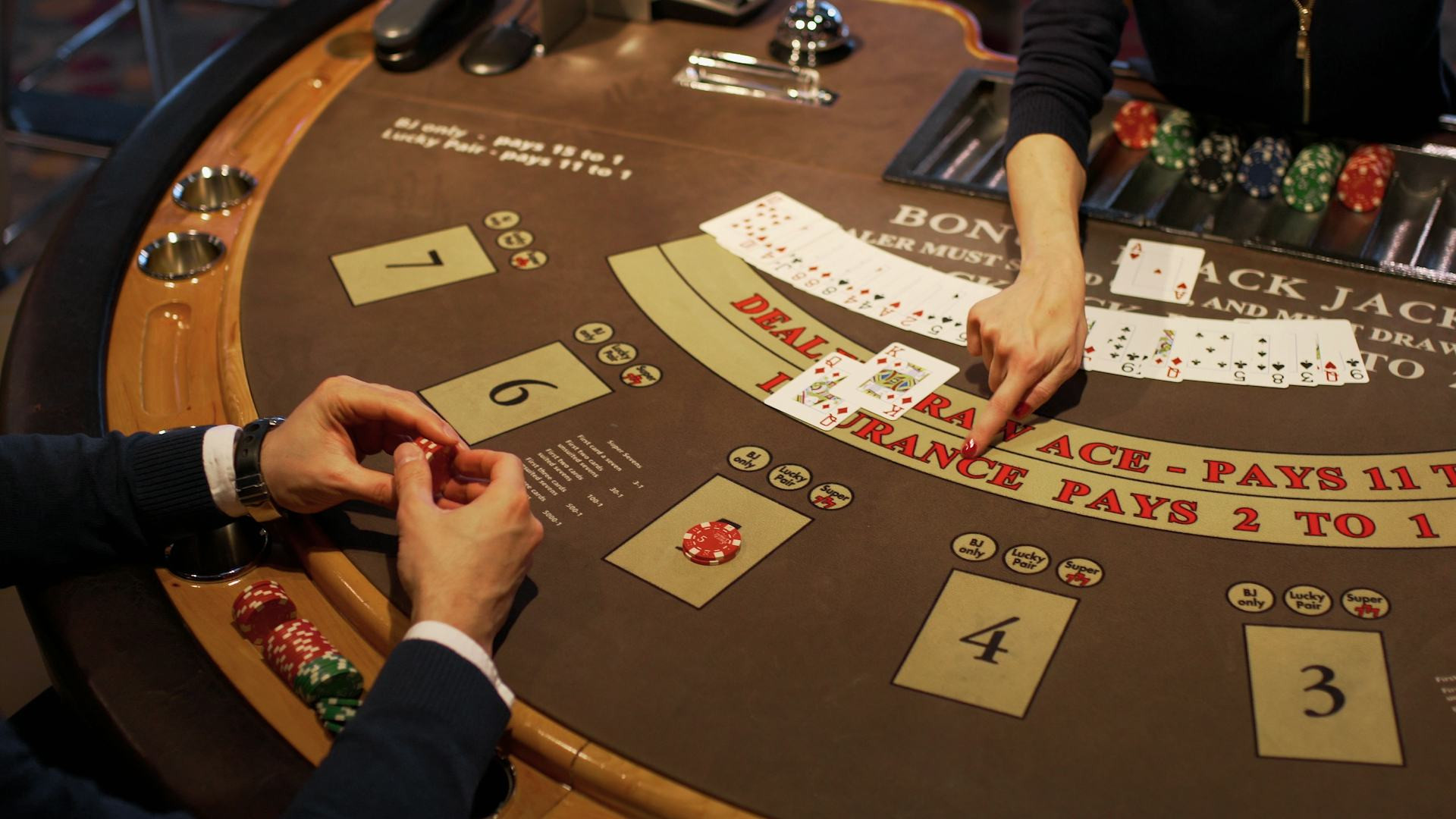
The goal of blackjack is simple: get as close to 21 as possible without going over – and beat the dealer’s hand. Each player starts with two cards and can choose to take more (“hit”) or stop (“stand”). Face cards count as 10, aces can be 1 or 11, and all other cards are worth their face value.
It sounds straightforward, but every decision you make changes your chances of winning. That’s where a basic understanding of probability can help you make smarter choices.
Probability Without the Formulas
When we talk about probability in blackjack, it’s not about crunching numbers – it’s about recognizing patterns and tendencies. For example:
- If you have 12 and the dealer shows a 6, it’s usually best to stand. The dealer has a good chance of going over 21.
- If you have 16 against a dealer’s 10, you’re in a tough spot – but statistically, it’s often better to hit, even if it feels risky.
These guidelines come from millions of simulated hands that show what tends to work best over time. You don’t need to memorize the math – just understand the reasoning behind it.
Why the Dealer’s Card Matters So Much
One of the most important things to know is that the dealer’s visible card drives much of your strategy. If the dealer shows a low card (2–6), there’s a higher chance they’ll bust. That means you can afford to play more conservatively. But if the dealer shows a high card (7–Ace), you’ll need to be more aggressive, because the odds are better that they’ll end up with a strong hand.
Thinking this way turns blackjack from a guessing game into one where you can make informed decisions.
The Basic Strategy – A Helpful Guide, Not a Magic Trick
Many players use what’s called basic strategy – a chart that tells you when to hit, stand, double down, or split. It’s built entirely on probability and gives you the best statistical chance to win in the long run.
That doesn’t mean you’ll win every hand. Blackjack still involves luck – you can make the right move and still lose. But over time, following the probabilities helps you lose less and win more often.
The Truth About Card Counting
Card counting has been glamorized in Hollywood, but in real life, it’s difficult and rarely practical for casual players. It requires intense focus, memory, and calm under pressure – and most casinos use multiple decks to make it nearly impossible.
For most players, it’s far more rewarding to understand the simple probabilities and play thoughtfully. That approach makes the game more enjoyable and less stressful.
Læs også:

Play Smart – and Enjoy the Game
Blackjack is at its best when you treat it as a mix of intuition and logic. Probabilities aren’t there to intimidate you – they’re there to give you perspective. Once you start recognizing the patterns, the game feels more relaxed, and you’ll have a sense of control even when the cards don’t go your way.
So next time you sit down at a blackjack table, remember: you don’t need to be a mathematician to play smart. You just need to understand how probabilities work – and let them guide you, one card at a time.
Læs også: