From the World Cup to the Super Bowl: How Major Sporting Events Have Shaped the Bookmaking Industry and Betting Culture


From the World Cup to the Super Bowl: How Major Sporting Events Have Shaped the Bookmaking Industry and Betting Culture
When millions of fans tune in to watch the World Cup, the Super Bowl, or the Olympics, it’s not just the athletes who are under pressure. The global betting industry also reaches its peak. Major sporting events have long served as catalysts for growth, innovation, and cultural change in the world of sports wagering—from the early days of neighborhood bookies to today’s sophisticated online platforms.
From Local Bets to a Global Industry
Sports betting was once a local affair. In the United States, for much of the 20th century, legal sports wagering was confined to Nevada, and most bets were placed in person at sportsbooks in Las Vegas. But the rise of the internet in the 1990s and the Supreme Court’s 2018 decision to lift the federal ban on sports betting transformed the landscape.
Suddenly, fans across the country could legally place bets on games from their phones, and bookmakers began using major sporting events as marketing engines. The World Cup and the Super Bowl became not only athletic spectacles but also commercial battlegrounds, where betting companies competed for attention with promotions, odds boosts, and live betting options.
The World Cup – A Global Betting Phenomenon
Few events can match the World Cup when it comes to betting activity. Every four years, the tournament drives a surge in wagers worldwide. Bookmakers prepare months in advance, offering odds not only on match outcomes but also on hundreds of “prop bets”: Who will score first? How many yellow cards will there be? Will a match go to penalties?
For many fans, placing a small wager has become part of the experience—a way to feel more invested in the drama unfolding on the field. Yet the World Cup has also sparked conversations about responsible gambling, as the excitement of the tournament can blur the line between entertainment and risk.
Læs også:



The Super Bowl – Where Sport, Show, and Betting Collide
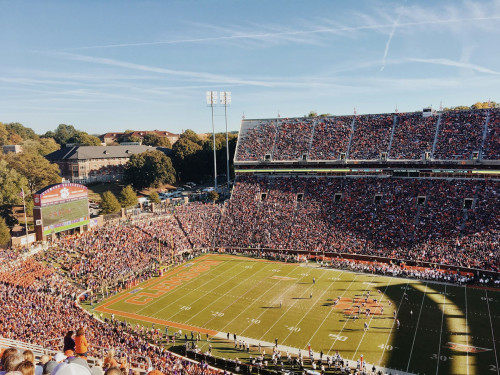
In the United States, the Super Bowl is more than a football game—it’s a cultural event. It’s where sports, entertainment, and advertising converge, and betting plays a central role. For decades, Americans have made informal wagers on everything from the final score to the length of the national anthem and the color of the Gatorade poured on the winning coach.
Since the legalization of sports betting in many states, the Super Bowl has taken on a new dimension. Sportsbooks now offer thousands of betting markets, and wagering has become an integral part of the celebration. Whether you’re a die-hard fan or just watching for the halftime show, there’s a bet for everyone.
Technology’s Role: Live Betting and Mobile Apps
Major sporting events have also driven technological innovation in the betting industry. Live betting—placing wagers while a game is in progress—has become standard, allowing fans to react to every play in real time. Mobile apps have made it possible to bet from the couch, the bar, or even the stadium, changing how and when people engage with sports.
At the same time, data analytics and artificial intelligence have made bookmakers more precise and given bettors new tools to analyze games and identify value. This has fostered a more strategic betting culture, where many see wagering as a form of skill-based entertainment rather than pure chance.
A New Betting Culture – Between Community and Responsibility
Big sporting events have turned betting into a social activity. Friends create pools, share picks on social media, and compete for bragging rights. This sense of community has made betting part of the broader fan experience, adding excitement and connection to the spectacle.
But the industry’s rapid growth has also raised concerns. Regulators and operators alike are focusing more on responsible gambling, advertising limits, and player protection. The challenge for bookmakers is to balance engagement with accountability—a balance that will define the industry’s future.
From Stadium to Screen – and Beyond
Whether it’s the World Cup, the Super Bowl, or the Olympics, major sporting events reflect the times we live in. They showcase how technology, culture, and consumer habits evolve—and the betting industry evolves with them. From paper betting slips to live odds on mobile screens, sports and wagering have grown side by side.
Today, betting is an integral part of the modern sports experience, but it remains an industry in flux. The future will likely bring even more personalized betting experiences, new forms of interactivity, and ongoing debate about where to draw the line between fun and risk.
Læs også: