Bingo as a Social Community for Seniors

Bingo as a Social Community for Seniors
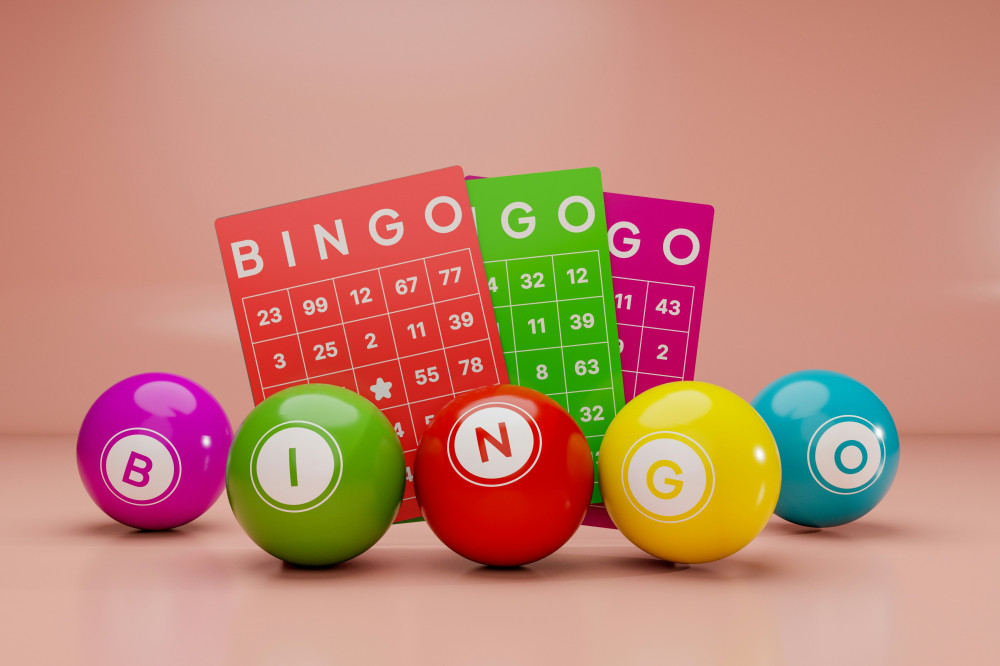
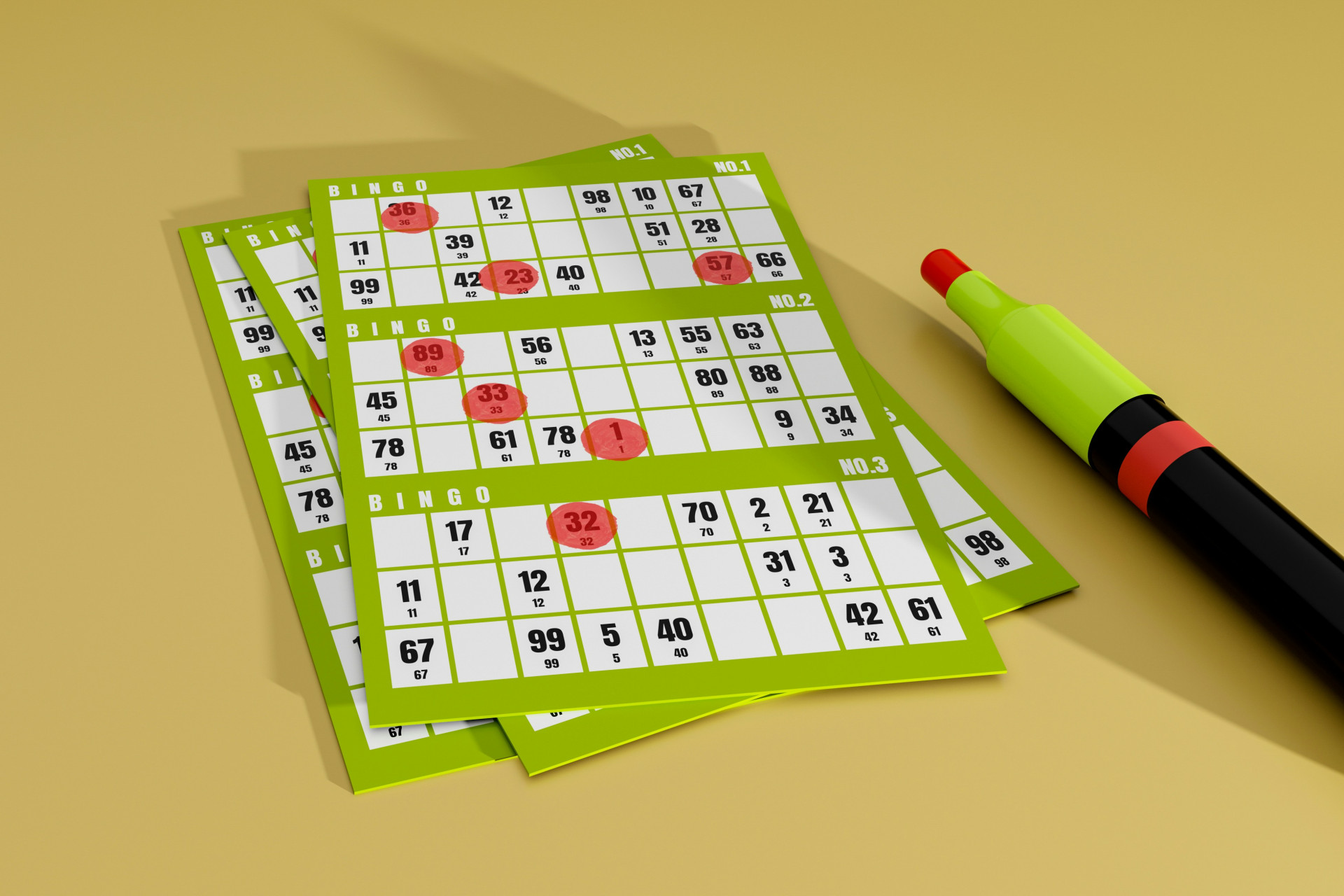
For many older adults in the United States, bingo is far more than a game of numbers and cards. It’s a social gathering that brings laughter, conversation, and connection. At a time when loneliness among seniors is a growing concern, bingo plays an important role as a community activity that fosters joy, structure, and a sense of belonging.
A Game of Tradition and Comfort
Bingo has been a beloved pastime in American senior centers, churches, and community halls for generations. The game is easy to learn and doesn’t require physical strength or special skills—anyone can join in. That simplicity makes it an inclusive activity where newcomers and long-time players alike feel welcome.
For many seniors, bingo nights are about more than winning prizes. They offer a familiar routine and something to look forward to each week. Whether it’s a Wednesday evening at the local VFW hall or a Friday afternoon at a retirement community, bingo provides a safe and friendly space to gather, share stories, and enjoy each other’s company.
Building Friendships and Connection
Bingo brings people together across backgrounds, experiences, and even generations. Some come for the thrill of the game, others for the friendly chatter over coffee and cookies. The social side of bingo often matters most—it’s where friendships are formed, laughter is shared, and a sense of community grows.
For seniors who live alone or have limited mobility, bingo can be one of the few regular social events in their week. It offers a chance to meet others, build new relationships, and feel seen and valued. In many communities, bingo nights have become a cherished tradition that keeps people connected and engaged.
Mental and Emotional Benefits
Although bingo is simple, it requires focus, quick thinking, and attention to detail. These mental exercises can help keep the brain active and support memory and concentration. The excitement of marking off numbers and the small victories of winning a round can also boost confidence and self-esteem.
Beyond the mental stimulation, the emotional benefits are just as important. The laughter, shared excitement, and friendly competition create a positive atmosphere that can lift spirits and reduce feelings of isolation. Many seniors say they leave bingo nights feeling happier and more energized.
New Ways to Play – Including Online
As technology evolves, bingo has adapted too. Many senior centers and community organizations now offer virtual bingo sessions, allowing participants to join from home using a computer or tablet. This has become especially valuable for those who can’t easily travel or live far from in-person gatherings.
While online bingo can’t fully replace the warmth of face-to-face interaction, it provides an alternative way to stay connected. It shows how a traditional game can evolve with the times while continuing to serve its original purpose—bringing people together.
Læs også:

A Simple Game with a Big Impact
Bingo is a reminder that even the simplest activities can have a profound effect on well-being. It’s not just about the numbers or the prizes—it’s about the smiles, the conversations, and the shared moments that make life richer.
When the caller announces the next number and the room fills with anticipation, something special happens. For a few hours, worries fade, laughter flows, and everyone belongs. That’s the true magic of bingo—a game that continues to create joy, connection, and community for America’s seniors.
Læs også: